Learn Piano Notes and Keyboard Layout
July 7, 2026
Learn Piano Notes and Keyboard Layout
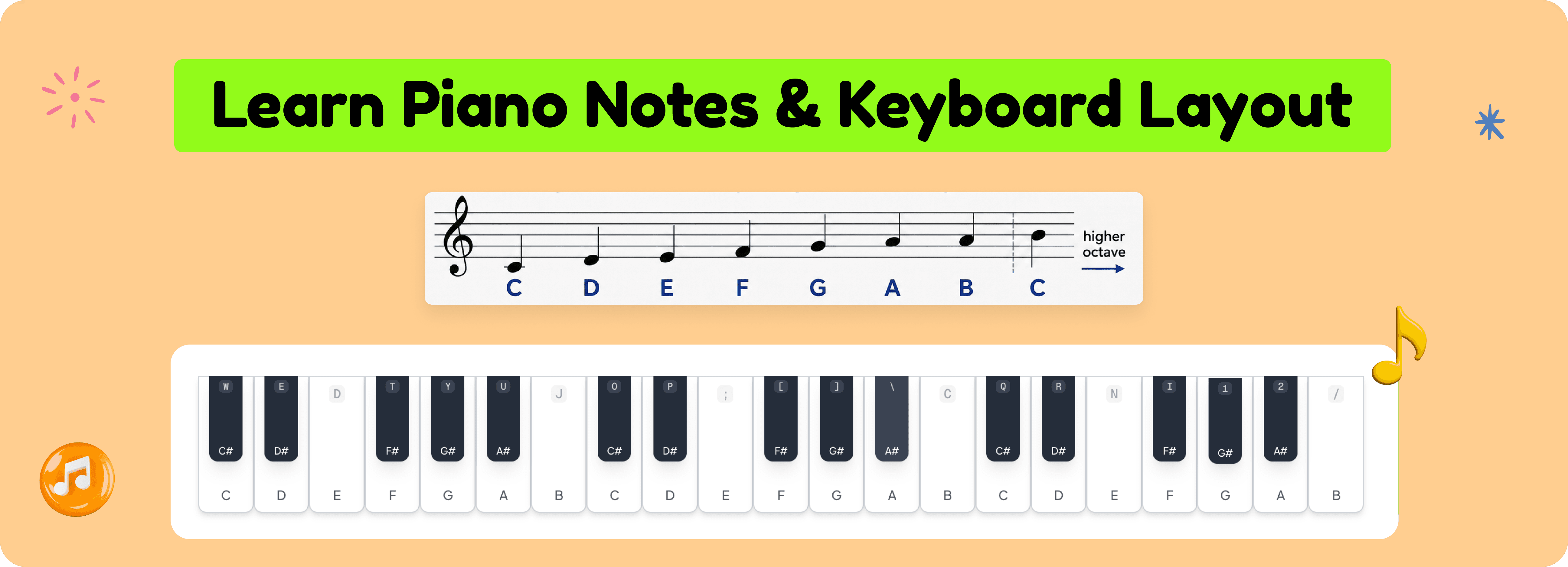
If you have never played the piano before, the layout of the piano can be quite confusing. With all those white and black keys, one may be asking oneself where to begin. But the beauty is that the pattern for any piano is the same, and knowing it makes playing much simpler. Piano notes are some of the most fundamental things that everyone must know before even starting to learn anything else on the piano. Even before beginning to play chords, reading notes on sheet music, or learning any other song, one should have learned the piano note layout.
The Musical Alphabet
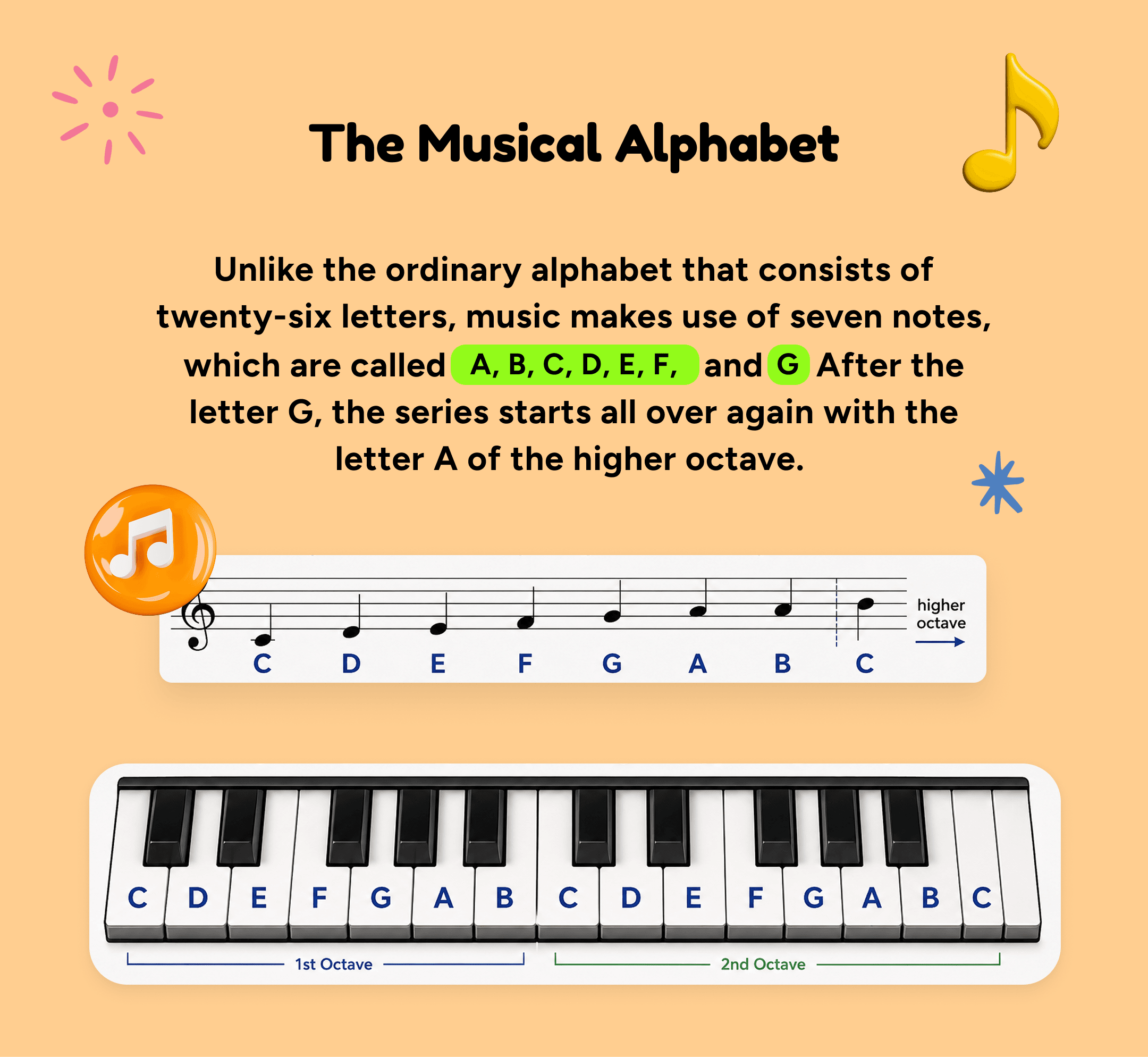
Unlike the ordinary alphabet that consists of twenty-six letters, music makes use of seven notes, which are called A, B, C, D, E, F, and G. After the letter G, the series starts all over again with the letter A of the higher octave. It goes on in the same way throughout the whole keyboard. Instead of attempting to memorize the various keys, try to learn the series of seven notes. It will be easier for you once you master this series.
Use the Black Keys as Landmarks
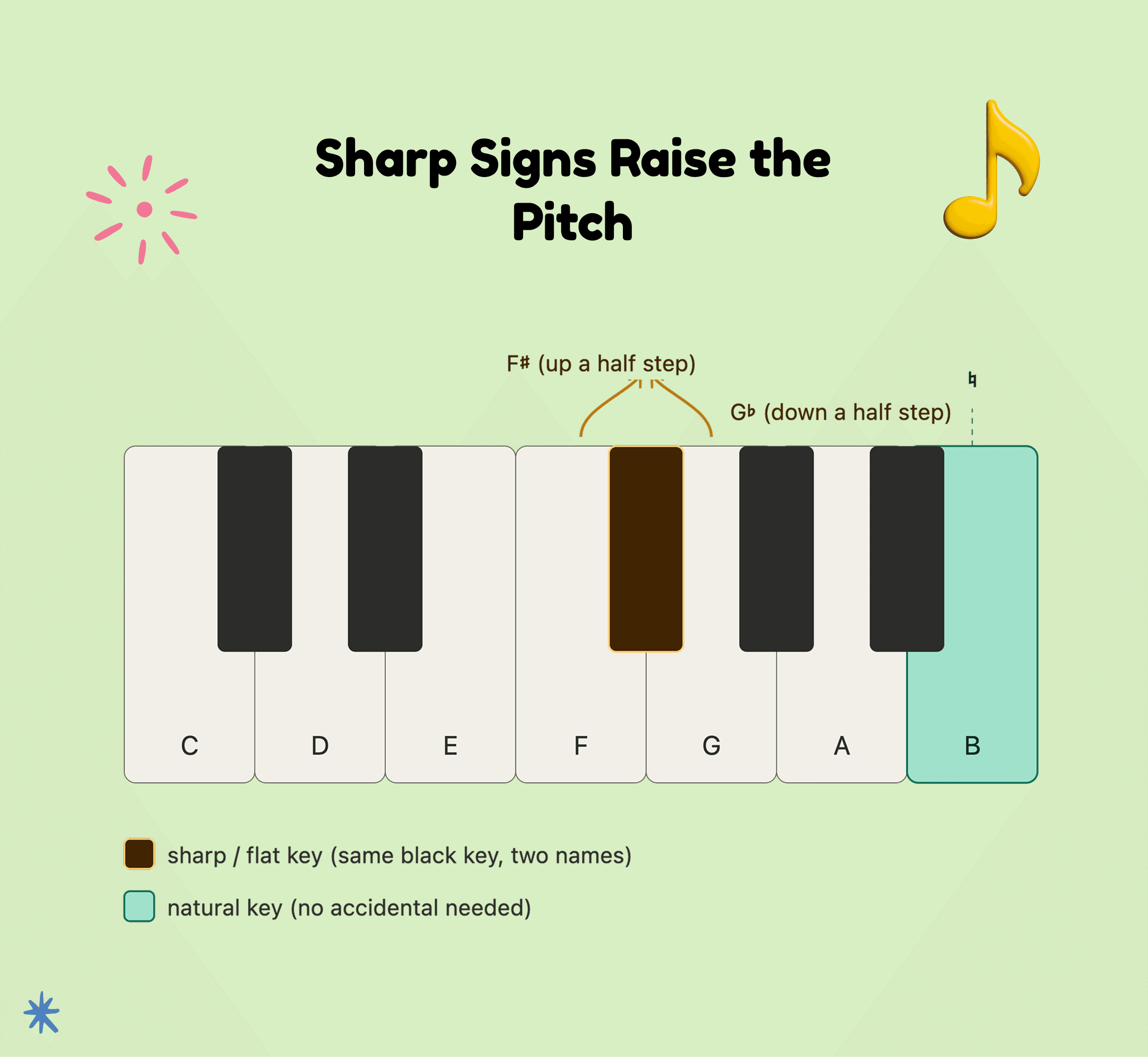
The simplest method to get familiar with the piano keyboard is to examine the black keys. Black keys are always found in sets of two and three. The sets of black keys serve as landmarks that can help you recognize other keys. For instance, if you see a set of two black keys, the white key found immediately before the two black keys will be C. After recognizing the position of C, locating other notes is easy.
Follow the Pattern Across the Keyboard
If you start at any C note, the other notes on the piano will be placed in a particular order: C, D, E, F, G, A, and B. The cycle starts again with a new C after B. It is highly recommended to practice by playing every note, but not before saying the note out loud. It will definitely help you memorize the note names and their positions.
Notice the Missing Black Keys
One thing which may take some beginners by surprise is that not all pairs of white keys have a black key between them. The lack of a black key is always present between B-C and E-F, regardless of your position on the keyboard. Instead of trying to remember these absences, you can use them as a landmark. This makes it easier to distinguish between the notes.
Build a Strong Foundation Before Moving On
Piano notes provide the base on which you will learn practically everything else in the future. Sheet music reading, chord playing, scale practice, and song learning can easily be done after mastering the piano keyboard. It is advisable to start by spending some time each day recognizing notes in one octave before advancing to the next. Continuous practice builds up confidence, and sometimes little practice each day bears more fruit than trying to learn the whole keyboard in one day.
Frequently Asked Questions
How long does it take to memorize the piano keyboard?
It can vary according to different people, but generally, most people begin to identify the keyboard within two or three weeks of practicing it consistently. Ten to fifteen minutes of everyday practice works better than longer hours of irregular practice.
Should I memorize every piano key before learning songs?
No. It is not necessary for you to memorize all the piano keys before playing music. The process can be started by knowing the notes first, and by practicing the song, your memory of the piano keys will gradually improve.
Why do pianos have black and white keys?
The black and white keys help in organizing the notes and seeing patterns in the music. The musician does not have to count each individual key on the piano but can easily find the notes, scales, and chords.
Is an 88-key keyboard necessary for beginners?
No, you don’t need an 88-key keyboard to be a beginner. You can begin with a 61-key or 76-key keyboard and learn all the same patterns of notes that you would learn with an 88-key piano.
Can I practice piano notes without owning a piano?
Yes. An electronic or online piano will enable one to learn about note identification, keys, and some basic practices from anywhere there is an Internet connection. This is a practical step to gaining self-confidence before playing on a real piano.
What should I learn after understanding the keyboard layout?
When I feel that I have mastered locating the keys on the piano, my next step should be to learn what these keys look like on paper. This is followed by the learning of the clefs, chords, and scales, among others.
Related Lessons
View All Lessons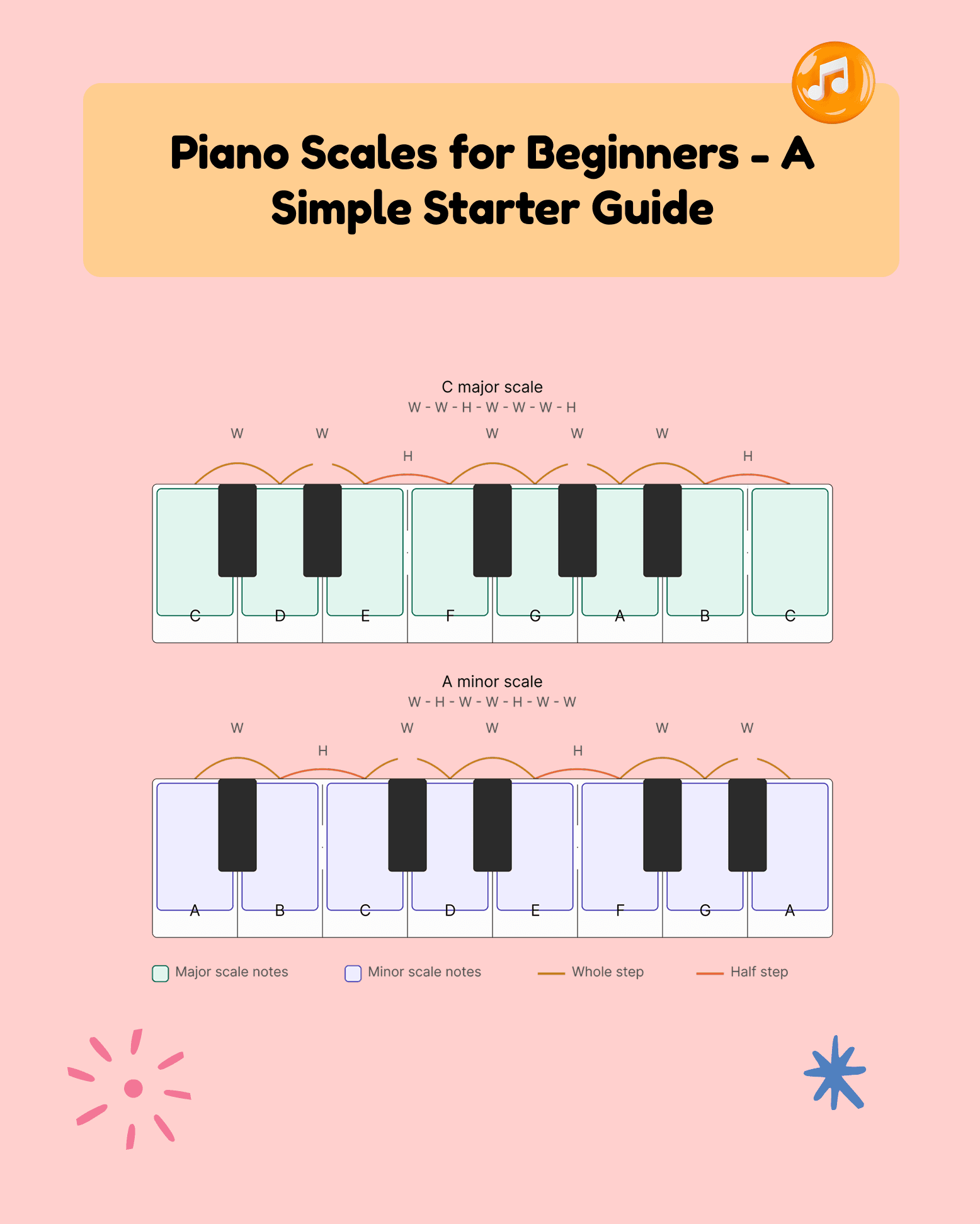
Ready to Play?
Go ahead and start practicing with our online piano right in your browser. Have fun playing songs, lessons, and more.
Play Now