
Online Piano Learning
How to play Piano, Rhythm and Timing (Beginner Guide).
Piano playing is based on good rhythm. This is a beginner guide on how to enhance timing, counting, and rhythmical accuracy in a simple yet practice-based manner to make the playing sound steady and musical.
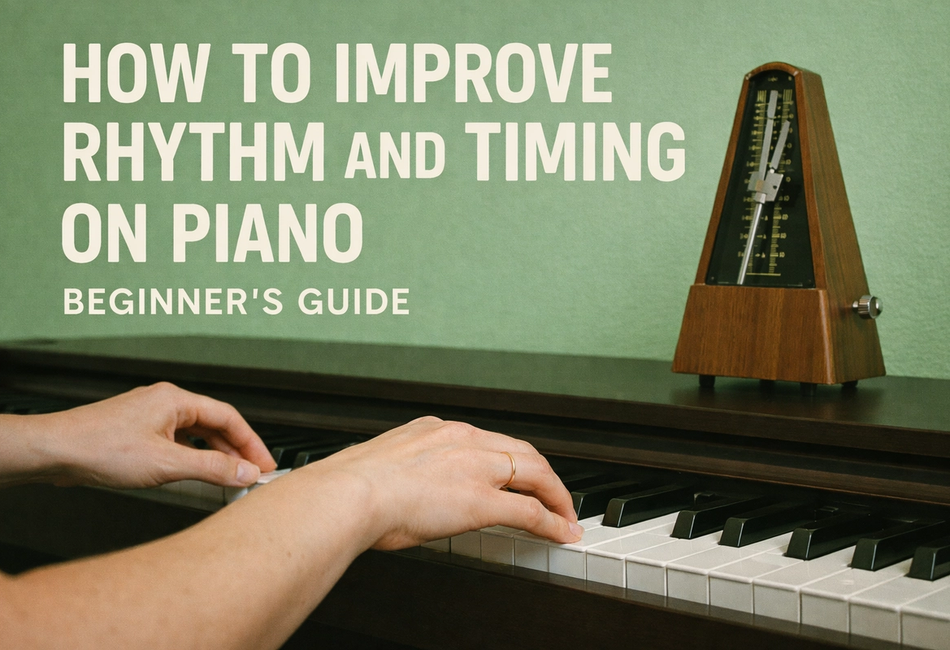
Note is given attention by many beginning learners of piano without regard to rhythm. You may play the right notes, but bad timing could cause the music to sound as though it is not even. It is rhythm that makes the music flowing, structured and active.
The positive thing is that with the proper habit, rhythm can be learned easily. This guide would demonstrate easy methods to develop effective timing at the very beginning.
Understand the Basic Beat
All the music is based on a rhythmic beat.
Start Simple
- Foot-tapping and listening to music.
- Count aloud: 1-2-3-4
- Keep the beat steady, not fast
This conditions your brain to experience time.
Count While You Play
This is because counting assists in relating notes to rhythm.
How to Count
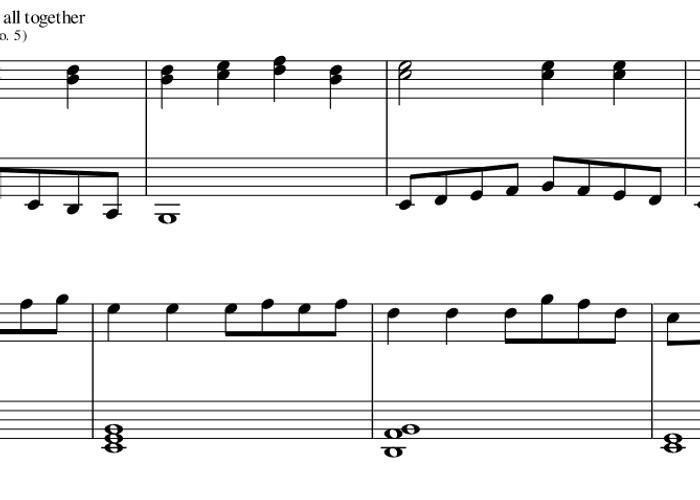
- Quarter notes: 1-2-3-4
- Half notes: 1-2
- Eighth notes: 1-and-2-and
Read out the numbers whilst playing slowly. This enhances precision and trust.
Practice With a Metronome
Metronome is also one of the most suitable tools of timing.
Beginner Tips
- Start at 60 BPM
- Play slowly and evenly
- Do not rush difficult parts
When you do something wrong, you should not stop the tempo but slow it down.
Applauding Prelude to Performance.
Clap the beat of the notes before you touch the piano.
Why This Works
- Disassociates rhythm with movement of fingers.
- Simplifies complex designs.
- Develops good rhythmical memory.
After getting used to the rhythm, play on piano.
Play Hands Separately
Pairs of hands may be confusing to novices.
Practice Method
- Playing right hand with proper rhythm.
- Play left hand slowly
- Smaller hands should also be combined at a slower rate.
This maintains rhythm as well as being controlled.
Simple Songs- Practice Timing.
Select simple songs which have definite rhythm model.
Good Practice Choices
- Children's songs
- Hymns
- Simple pop melodies
- Beginner method book pieces
Easy music will make you center on the timing rather than complexity.
Conclusion
Good rhythm and time ensure easy sound production in piano playing. The beginners can develop a good timing by doing it gradually by counting, tapping metronome, clapping rhythm and memorizing a rhythm with the help of metronome.
More from the blog
Keep exploring new ideas
Piano: Psychological Development.
How Piano Learning Improves Memory Over Time
The process of learning, adaptation, and growth of people is mainly driven by memory. Learning Piano has emerged as one of the effective techniques of memory reinforcement via formal repetition, auditory, coordination and recalling over time. This article discusses the process by which practicing piano develops various forms of memory, reasons why these advantages become increasingly more effective, and how the benefits of learning a piano help to retain in the minds of non-musical areas.
Piano & Skill Development
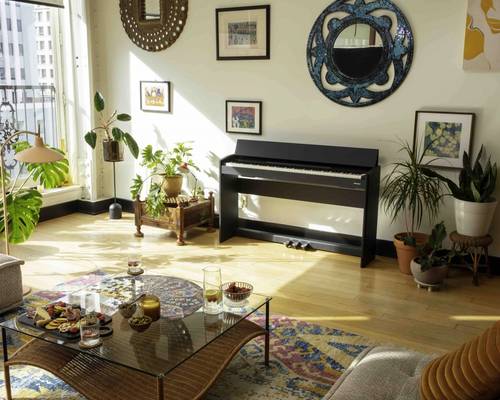
How Piano Practice Builds Consistency and Self-Discipline
Self-discipline and consistency are crucial personal qualities in the contemporary life but are becoming more challenging to master. The learning of piano provides a natural and effective method of developing both in a structured form of learning, in a progressive manner and through long term commitment. This paper will examine how practice in the piano will develop the consistency over the time, why the self-discipline will develop naturally at the instrument and the applicability of these abilities far beyond music in the life.
Piano & Lifelong Learning
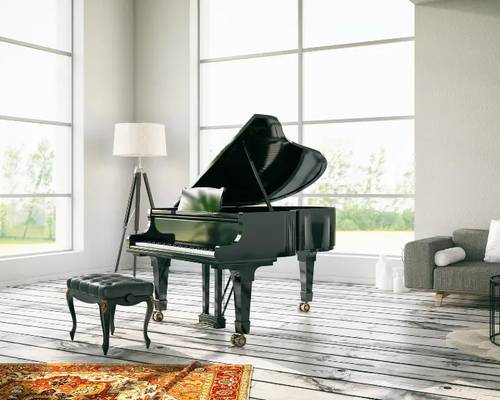
The Reason behind the Rise of Piano Learning among Mature Beginners in the world.
The world has witnessed a potent surge in piano learning among adult learners. More individuals are learning the piano later in their lives and this is due to the flexibility of digital tools, lifestyles and now people are more focused on their personal development. The article discusses the reasons why this trend is being experienced, how adult learners treat piano differently, and why this trend is transforming the contemporary culture of the piano.
Piano & Modern Skills
The reason Learning Piano Is Better than Multitasking in a Distracted World.
Piano learning is becoming an effective tool to reconnect attention and deep thinking in a day and age where we are bombarded with notifications and do not spend enough time in deep contemplation. The mental clarity ensured by years of discipline in the practice of the piano may be that which is afforded by very few activities because it demands constant focus, physical coordination and active listening. This paper discusses the connection between learning the piano and attention, the level of cognitive and mental discipline and the reason why more and more individuals are turning to the piano to overcome distraction in the modern world.
The Culture of Piano and Contemporary Music.
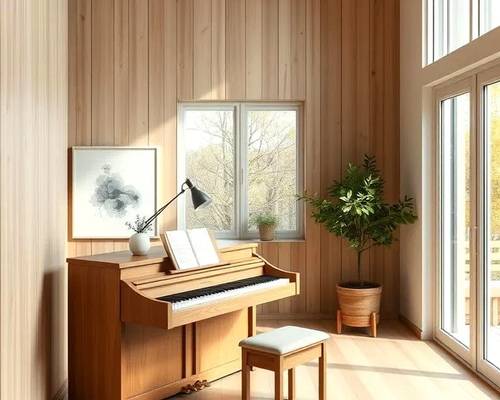
The reason why Minimalist Piano Music is becoming a sound of this decade.
The minimalist piano music has come out as one of the most effective sounds of the modern age. The style is marked by its simplicity, repetition, and restraint, and they are defining the manner in which individuals listen, create, and relate to piano music nowadays. This paper delves into the reasons behind the growth of minimalist piano in popularity all over the world, its reflection of the contemporary life, and why it is a simply a new voice of this decade.
Piano & Future Learning
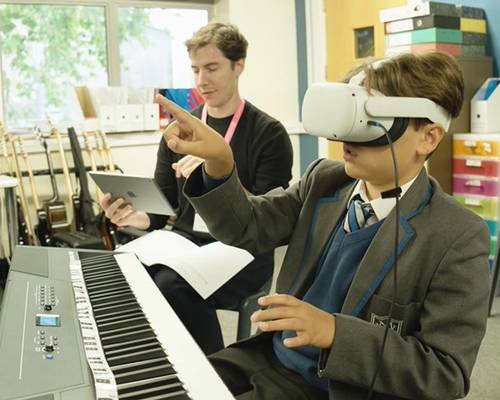
The Way AR is beginning to transform Piano Learning.
The concept of augmented reality is gradually presenting itself in the business of piano study, providing a fresh interpretation of music, technique, and practice. AR is transforming the interaction between pianists and the keyboard by combining digital guidance and physical instruments to create a new approach to playing the piano. This paper discusses the reasons behind the growing interest in augmented reality learning of piano, its functionality as well as its potential future impact on the teaching of piano.The concept of augmented reality is gradually presenting itself in the business of piano study, providing a fresh interpretation of music, technique, and practice. AR is transforming the interaction between pianists and the keyboard by combining digital guidance and physical instruments to create a new approach to playing the piano. This paper discusses the reasons behind the growing interest in augmented reality learning of piano, its functionality as well as its potential future impact on the teaching of piano.