
Piano & Modern Skills
The reason Learning Piano Is Better than Multitasking in a Distracted World.
Piano learning is becoming an effective tool to reconnect attention and deep thinking in a day and age where we are bombarded with notifications and do not spend enough time in deep contemplation. The mental clarity ensured by years of discipline in the practice of the piano may be that which is afforded by very few activities because it demands constant focus, physical coordination and active listening. This paper discusses the connection between learning the piano and attention, the level of cognitive and mental discipline and the reason why more and more individuals are turning to the piano to overcome distraction in the modern world.
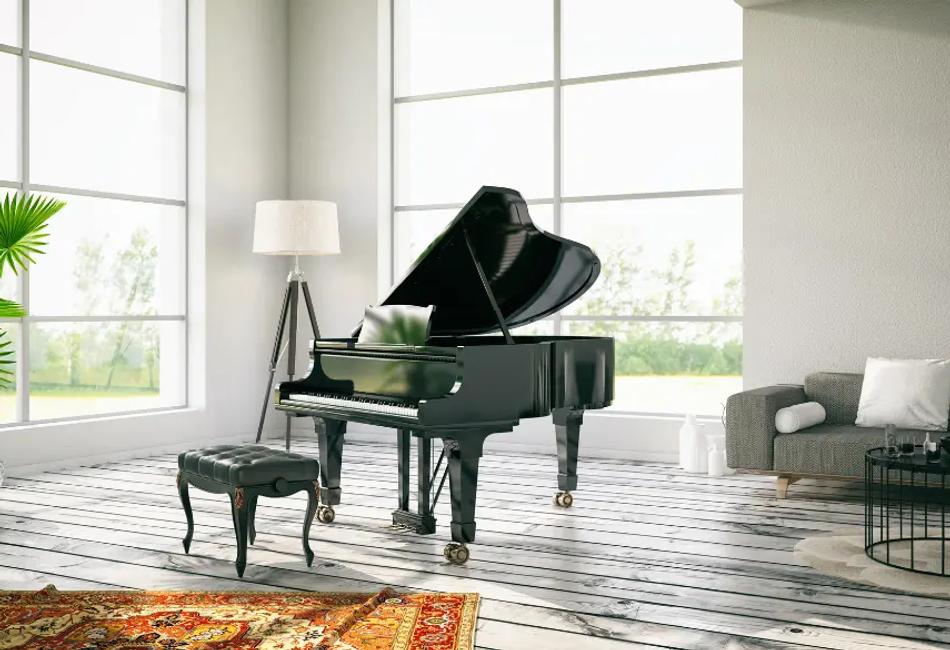
The contemporary world favours fast pace, multi-tasking and being responsive. The messages come incessantly, displays vie with one another and there are fewer and fewer uninterrupted moments of focus. Technology has made life much more convenient, but manipulation of focus to a deep level over a long period has been silently destroyed. To counter this change, a number of individuals are seeking out activities that would draw attention as opposed to dividing it even more.
Learning of piano has surprisingly turned out to be one of such activities. Contrary to being a musical activity, the practice of piano requires one to maintain a long concentration, movement, and constant listening. These needs are in direct contrast to the habits promoted by the modern digital life. This has made the study of piano to be a significant means of restoring concentration and clarity of thought.
The same tendency indicates a larger urge of getting back on track in the distracted world.
The Crisis of Attention in the Contemporary World
The modern day is under a lot of pressure. Brief information, alerts, and switching of activities in the shortest time possible teach the brain how to skim instead of read. Reading deeply, thinking clearly, and staying on point are some of the most challenging abilities that many people find it hard to maintain.
This change does not only impact the productivity, but also the emotional well-being. Superficial focus can cause intellectual exhaustion, irritation and diminished gratification.
Tasks which require prolonged attention are becoming less frequent. The unique nature of learning piano is that it demands complete attention in its nature.
Why pure practice requires actual attention
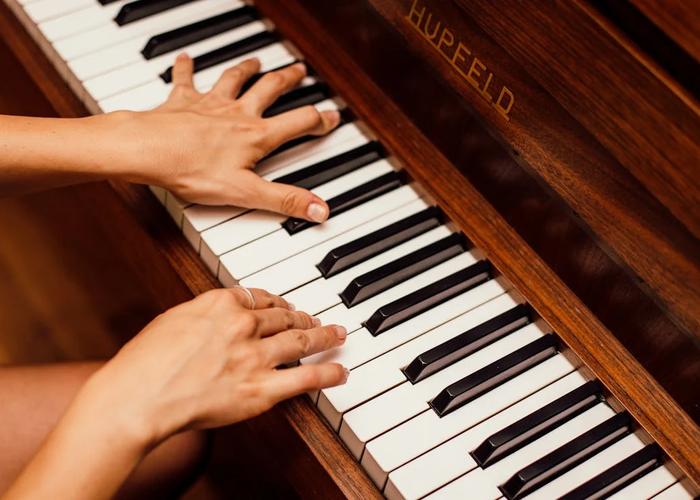
Several systems are involved in piano practice. The eyes are following the keyboard or music, the hands are performing some complicated movements, the ears are listening to the sound, and the mind is thinking about what is next. These factors have to collaborate at all times.
Piano playing is not a half-way activity as compared to passive activities. Sound and flow is instantly lost. This immediate feedback brings one back to the present.
With time, the repetition of such demands of focus enhances concentration without being forced.
The way Piano teaches Deep Thinking
Deep thinking requires retention of information in the mind, identification of patterns and conscious decisions. All these processes are facilitated by piano learning.
Learners need to memorise sequences, grasp form and make time and expression choices when practising. This stimulates the brain to remain in a single task to process it to the fullest extent.
Instead of responding fast, the learners of piano are taught to slow down, take time to reflect and react deliberately. This attitude is transferred to other spheres of life.
The Difference between Deep and Shallow Practice
Shallow practice happens when one loses concentration and rehearsal is mechanical. Deep practice, in its turn, is about being conscious, making some adaptations, and reflecting.
Piano instruction is a reward of intensive practice. There is only a slight difference in tone, timing, or coordination when the entire attention is present. Students soon realize that distracted learning has insufficient outcomes.
This causal and effect relationship is a lesson in the importance of focus better than a lesson ever taught by abstract advice.
The reason why Piano is particularly effective as opposed to other activities
Not many activities can be considered to enhance focus, physical conscience, and mental involvement as well as learning piano.
Reading makes one stronger in attention but less coordinated physically. Physical awareness is enhanced by exercise yet it might not demand long-term mental stimulation. Both are incorporated in the practice of piano.
This incorporation produces a feedback comprise. It is through physical motion that listening is sharened. Listening guides movement. Thinking shapes both.
The effect is total involvement with the mind
The Importance of Listening in the Strengthening of Attention.
Piano learning revolves around listening. Active listening unlike the use of background music involves constant evaluation. Students observe equilibrium, conciseness and time within a real time.
Patience is trained in this type of listening. Sound is not immediate and one needs to be focused continuously to pick up slight variations.
The better the listening skills, the better the entire attentiveness. The mind becomes less responsive and more watchful.
The Reason Why Piano Learning Promotes Single-Tasking
Increased productivity in the contemporary society encourages multitasking. Piano learning completely denies this.
There can be no multitasking when practicing the piano. Looking in messages, tabs, and attention division stops the progress at once.
This imposed single-tasking habits. The learner enjoys the advantages of doing one thing right instead of doing many things wrong.
This experience changes the attitude to the value of attention over time.
How Practice Makes the Mind Disciplined
Discipline is not the one which enforces. It is more of appearing with a purpose. Learning of piano will promote this type of discipline.
The development is made in little steps. Students perceive strong links of effort and progress. This exposure strengthens performance based conduct.
The discipline of the mind that is nurtured at the piano gets transferred to work, research and everyday life.
The Emotional Poise Which Results in Attentive Practice
Constant concentration is relaxing. Mental noise disappears when one is entirely attentive. Concern and distraction are lost.
Most students have termed practice in piano as cognitively invigorating in spite of the hardships. This is a paradox since when people are concentrated on a single task, the level of inner conflict is minimized.
Learning Piano forms a structured method of experiencing calmness not evading.
The reason why Digital Distraction is making Piano more relevant than ever
Presence will be more valuable as digital tools keep competing to be given their attention. The acquisition of piano is a vivid contrast to scrolling and fast consumption.
It offers profundity to the superficial world and forbearance to the fast-paced culture. This juxtaposition is the reason why the study of piano finds considerable relevance nowadays.
The tool develops as a hiding place of attention.
The Piano Learning Effect on Daily Attention
Students tend to observe the changes in a subtle way, which are not within practice. They grow used to quiet, they do not need to be constantly stimulated, and they are able to work intensively.
Such alterations do not demand deliberate effort. They come about as a result of repetitive concentrated interaction.
The piano concentrates the attention softly yet insistently.
The Importance of This to Long-Term Thinking
Cognitive thinking helps in making sound decisions, creativity, and emotion control. These are becoming few and far between in the busy world.
Piano education trains the brain muscles to think long-term. It is a lesson of patience, organization and follow through.
These traits do not only favor music, but valuable work and self-development.
The Increasing Cultural Attachment to Specialization
The society is starting to realize the price of being distracted all the time. Consequently, the rebuilding focus skills are becoming culturally significant.
The study of piano is the most appropriate change. It is difficult, yet rewarding, challenging, yet relaxing.
This correspondence guarantees its further relevance.
The reason why Piano Learning is a sustainable solution
In contrast to hacks or quick fixes to improve productivity, the learning of piano is a permanent one. The process of focus enhances over time and is sustained with practice.
Motivation is internal since the activity itself is interesting. The learners keep doing so not because they have to, but because they sense that.
This is sustainability and differentiates piano learning among the short-lived trends.
The impact of this trend on education and self-development
Teachers and students are reconsidering the development of focus. The study of Piano is becoming more of a means of cognitive development and not necessarily musical proficiency.
This extended concept broadens the music education in individual development.
The piano is transformed into instruments and the training field of attention.
Why Focus Will Be an Essential Competency
With the technology being as advanced as it is, focusing intensely will be increasingly useful, rather than becoming a weakness. Speed can be substituted with automation, but not thinking.
Future learning and work will consist of skills that enable one to pay deep attention. Learning piano is one of the contributors to this ability.
Its relevancy will keep on increasing.
Conclusion
Piano learning provides an effective antidote to the present distractive world. It makes one stronger on focus as few activities can make one concentrated due to the constant attention required, deep listening and intentional movement.
This is the reason why the study of piano is becoming relevant again. It does not struggle with distraction by limiting it, but by involving itself. The piano educates the presence of total being through sound, movement, and focus.
Music is not the only field where piano learning is valuable. It makes one restore the skill that is slowly being lost in modern life: the skill to concentrate and think properly.
More from the blog
Keep exploring new ideas
Piano: Psychological Development.
How Piano Learning Improves Memory Over Time
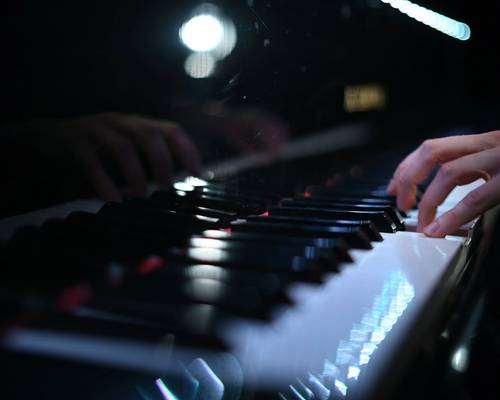
The process of learning, adaptation, and growth of people is mainly driven by memory. Learning Piano has emerged as one of the effective techniques of memory reinforcement via formal repetition, auditory, coordination and recalling over time. This article discusses the process by which practicing piano develops various forms of memory, reasons why these advantages become increasingly more effective, and how the benefits of learning a piano help to retain in the minds of non-musical areas.
Piano & Skill Development
How Piano Practice Builds Consistency and Self-Discipline
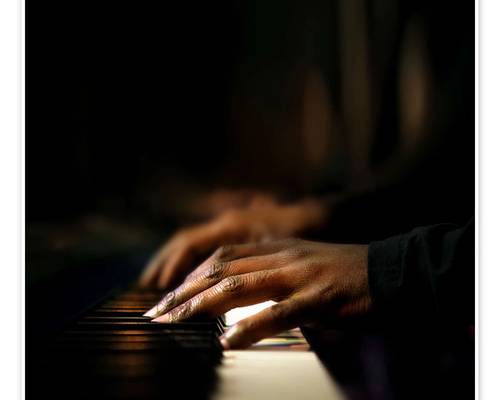
Self-discipline and consistency are crucial personal qualities in the contemporary life but are becoming more challenging to master. The learning of piano provides a natural and effective method of developing both in a structured form of learning, in a progressive manner and through long term commitment. This paper will examine how practice in the piano will develop the consistency over the time, why the self-discipline will develop naturally at the instrument and the applicability of these abilities far beyond music in the life.

Piano & Lifelong Learning
The Reason behind the Rise of Piano Learning among Mature Beginners in the world.
The world has witnessed a potent surge in piano learning among adult learners. More individuals are learning the piano later in their lives and this is due to the flexibility of digital tools, lifestyles and now people are more focused on their personal development. The article discusses the reasons why this trend is being experienced, how adult learners treat piano differently, and why this trend is transforming the contemporary culture of the piano.

The Culture of Piano and Contemporary Music.
The reason why Minimalist Piano Music is becoming a sound of this decade.
The minimalist piano music has come out as one of the most effective sounds of the modern age. The style is marked by its simplicity, repetition, and restraint, and they are defining the manner in which individuals listen, create, and relate to piano music nowadays. This paper delves into the reasons behind the growth of minimalist piano in popularity all over the world, its reflection of the contemporary life, and why it is a simply a new voice of this decade.
Piano & Future Learning
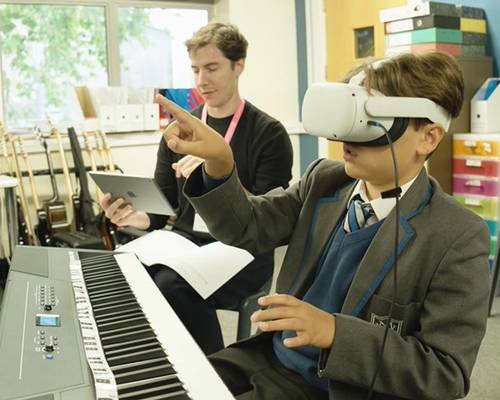
The Way AR is beginning to transform Piano Learning.
The concept of augmented reality is gradually presenting itself in the business of piano study, providing a fresh interpretation of music, technique, and practice. AR is transforming the interaction between pianists and the keyboard by combining digital guidance and physical instruments to create a new approach to playing the piano. This paper discusses the reasons behind the growing interest in augmented reality learning of piano, its functionality as well as its potential future impact on the teaching of piano.The concept of augmented reality is gradually presenting itself in the business of piano study, providing a fresh interpretation of music, technique, and practice. AR is transforming the interaction between pianists and the keyboard by combining digital guidance and physical instruments to create a new approach to playing the piano. This paper discusses the reasons behind the growing interest in augmented reality learning of piano, its functionality as well as its potential future impact on the teaching of piano.
Piano & Music Industry
Why Artificial Intelligence-Composed Piano Music Is Overwhelming Streaming Services.
Piano music generated by AI is quickly spreading through the streaming platforms, and it is often hard to distinguish between the music written by humans and the music created by AI. Artificial intelligence is slowly transforming the nature of the creation, distribution, and consumption of piano music, whether it be ambient playlists or movie piano sounds. In this article, the author examines the reasons behind the trend of AI piano music, its impact on actual pianists, and what this change could imply on the future of piano art.