
Piano Learning / Guide to Beginner.
Piano: How to Learn in the Latest Time: A 2026 Guide.
Follow this easy, 2026-guide on learning how to play piano in the shortest period of time. Learn easy tricks, routine, necessary abilities, and step-wise approaches that enable you to achieve much in a very short time even when you are an absolute beginner.
Is It Really Possible to Learn Piano Fast?
In order to learn the piano fast, you have to do things the right way. New technology, intelligent learning habits, and techniques that are easy to acquire enable you to develop actual skills within a shorter duration. This guide is a description of how to begin fast, maintain, and achieve progress in a couple of weeks.
Begin With the Essentials That Count the Most.
Most amateurs take time to learn things which they do not need at this moment. One should study something that produces the most rapid improvement.
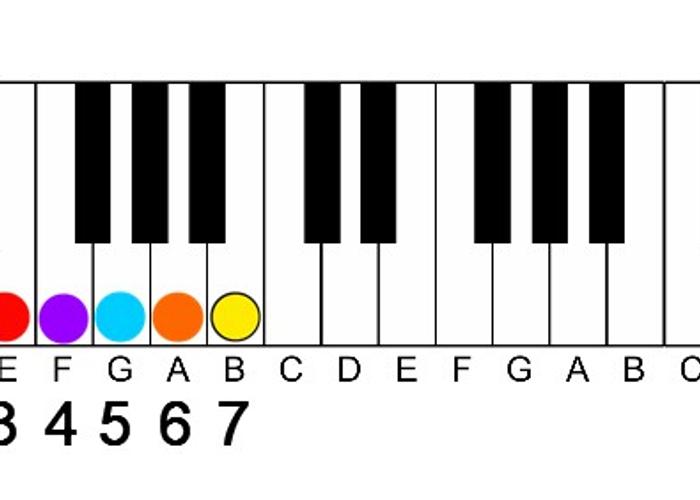
Learn the Piano Keys First
Memorize:
- Middle C
- White keys pattern (C D E F G A B)
- Groups of black keys of twos and threes.
- This creates a platform of rapid learning.
Understand Simple Rhythm
Clap and count:
1-2-3-4
Tap in continuous rhythms before touching the piano.
Learn 5 Basic Hand Positions
These enable you to listen to dozens of songs.
Apply Fastest Learning Method: Chords.
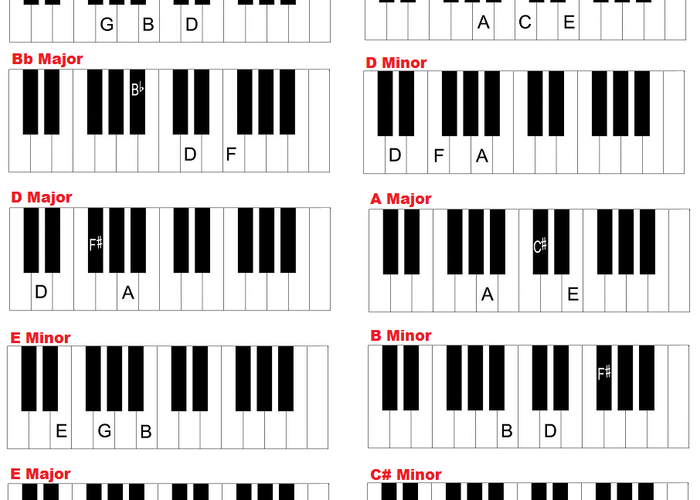
The chord-based learning will enable the beginners to learn the songs at a faster rate as compared to reading the complex sheet music.
Begin These Basic Chords
- C major
- G major
- F major
- A minor
There are hundreds of popular songs which can be played with these four chords.
Training Painless Changes.
The ability to change chords fast will make you sound as a real player.
Simple Singing, Simple Learning.
Rather than aiming to be perfect, play the game on the first day.
Fast Songs for Beginners
Twinkle Twinkle Little Star
- Happy Birthday
- Ode to Joy
- Simplistic chord progression songs.
- Simple pop melodies
- This creates confidence and muscle memory at an early stage.
Adopt a Structured Practice Routine.
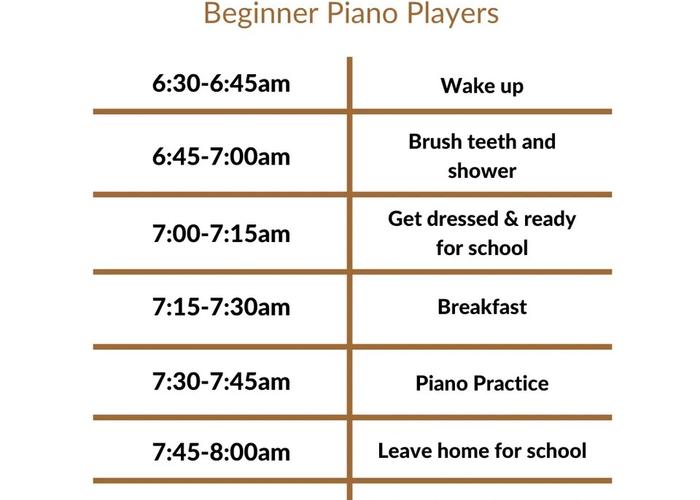
Short but intensive sessions are followed to learn quickly.
The 20-Minute Daily Routine
5 minutes: finger warm-ups
- 10 minutes: chord practice
- 5 minutes: playing a simple song.
- Regularity is better than protracted practice.
Use Modern Tools and Apps
Technology accelerates the learning process because it provides feedback and instructions.
Useful Tools
Piano learning sites.
- Tutorials
- Metronome apps
- Virtual keyboard apps
They assist beginners to acquire the right timing and technique within a short time.
Get Used to Using Both Hands.
Most learners take too long before they can use both hands. Begin with simple patterns at a tender age:
Right hand: melody
- Left hand: one-note bass or plain chords.
- This creates coordination at the early stage.
Eliminate Biting Pitfalls that Kill Time.
Mistakes to Avoid
- Practicing too fast
- Holding tension in hands
- Skipping fundamentals
- Not using a metronome
- Memorizing unstructured bits of learning.
- Fixing them will make you twice as fast of a learner.
Track Your Progress Weekly
Write down:
* Songs learned
* Chords mastered
* Speed improvements
* Daily practice time
The perception of progress will keep you going.
Conclusion
It is indeed true that one can learn the piano within a short time as long as one concentrates on mastering the essential areas, practices wisely, and takes purposeful steps to learn. With basic melodies, easy songs and routine activities every day, amateurs can learn to play in a matter of weeks. Be it home or online learning, the same consistency and the proper approach is the key to rapid learning.
More from the blog
Keep exploring new ideas
Piano: Psychological Development.
How Piano Learning Improves Memory Over Time
The process of learning, adaptation, and growth of people is mainly driven by memory. Learning Piano has emerged as one of the effective techniques of memory reinforcement via formal repetition, auditory, coordination and recalling over time. This article discusses the process by which practicing piano develops various forms of memory, reasons why these advantages become increasingly more effective, and how the benefits of learning a piano help to retain in the minds of non-musical areas.

Piano & Skill Development
How Piano Practice Builds Consistency and Self-Discipline
Self-discipline and consistency are crucial personal qualities in the contemporary life but are becoming more challenging to master. The learning of piano provides a natural and effective method of developing both in a structured form of learning, in a progressive manner and through long term commitment. This paper will examine how practice in the piano will develop the consistency over the time, why the self-discipline will develop naturally at the instrument and the applicability of these abilities far beyond music in the life.
Piano & Lifelong Learning
The Reason behind the Rise of Piano Learning among Mature Beginners in the world.
The world has witnessed a potent surge in piano learning among adult learners. More individuals are learning the piano later in their lives and this is due to the flexibility of digital tools, lifestyles and now people are more focused on their personal development. The article discusses the reasons why this trend is being experienced, how adult learners treat piano differently, and why this trend is transforming the contemporary culture of the piano.
Piano & Modern Skills
The reason Learning Piano Is Better than Multitasking in a Distracted World.
Piano learning is becoming an effective tool to reconnect attention and deep thinking in a day and age where we are bombarded with notifications and do not spend enough time in deep contemplation. The mental clarity ensured by years of discipline in the practice of the piano may be that which is afforded by very few activities because it demands constant focus, physical coordination and active listening. This paper discusses the connection between learning the piano and attention, the level of cognitive and mental discipline and the reason why more and more individuals are turning to the piano to overcome distraction in the modern world.

The Culture of Piano and Contemporary Music.
The reason why Minimalist Piano Music is becoming a sound of this decade.
The minimalist piano music has come out as one of the most effective sounds of the modern age. The style is marked by its simplicity, repetition, and restraint, and they are defining the manner in which individuals listen, create, and relate to piano music nowadays. This paper delves into the reasons behind the growth of minimalist piano in popularity all over the world, its reflection of the contemporary life, and why it is a simply a new voice of this decade.
Piano & Future Learning
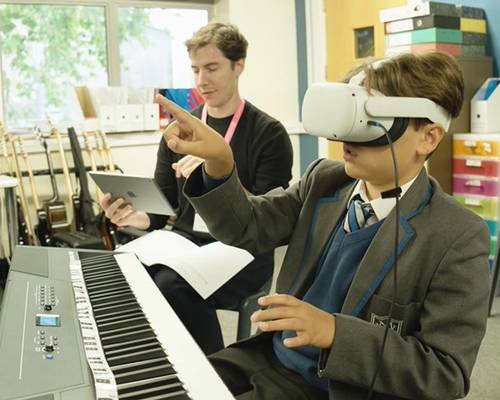
The Way AR is beginning to transform Piano Learning.
The concept of augmented reality is gradually presenting itself in the business of piano study, providing a fresh interpretation of music, technique, and practice. AR is transforming the interaction between pianists and the keyboard by combining digital guidance and physical instruments to create a new approach to playing the piano. This paper discusses the reasons behind the growing interest in augmented reality learning of piano, its functionality as well as its potential future impact on the teaching of piano.The concept of augmented reality is gradually presenting itself in the business of piano study, providing a fresh interpretation of music, technique, and practice. AR is transforming the interaction between pianists and the keyboard by combining digital guidance and physical instruments to create a new approach to playing the piano. This paper discusses the reasons behind the growing interest in augmented reality learning of piano, its functionality as well as its potential future impact on the teaching of piano.