
Online Piano Learning
The article explains how Learning Piano Reshapes the Human Brain Growth and Aging.
Learning the piano does more than develop musical skill—it actively reshapes the human brain across every stage of life. From childhood development to adult neuroplasticity and healthy aging, piano learning strengthens memory, focus, emotional regulation, and mental resilience. This article explores how piano practice engages the brain deeply, making it a powerful tool for lifelong cognitive growth.

The study of the piano is rarely connected with music, imagination, or personal pleasure; however, its impact goes much further than artistic communication. In long term, learning of piano is changing the mode of human brain development, adaptation, and aging. Piano is not like most other activities that only tend to activate a single aspect of the brain; it is a holistic activity, involving both the body, emotions and intellect.
Piano lessons have long-term neurological impacts at various developmental stages in life. The piano is not just an instrument but a tool of cognitive strength in adult life and healthy aging, starting as a childhood brain development tool. It is a method of psychological training that develops along with the person. This exceptional connection in the brain and the piano is the reason why researchers, educators, and psychologists are paying more attention to learn piano as one of the most powerful cognitive activities.
The connection of the Brain to Music
The human brain is predisposed to music. Patterns of sounds, rhythm and harmony engage several neural networks at the same time. Piano music is especially one where coordination of hearing, movement, memory and emotional processing is required.
In the case of an individual playing the piano, the brain has to deal with:
- Both hand fine motor control.
- Graphical processing of keys or notation.
- Auditory feedback and correction.
- Sound interpretation at the emotional level.
- Timing, rhythm, and structure
This is what has transformed learning the piano as one of the most neural activities that an individual can take. Such balanced activity between the areas of the brain is not common in many processes.
The influence of Piano Learning on the Developing Brain
A child brain is particularly plastic. Forms of thinking are developed within a short time and become more powerful with constant practice. Learning Piano in these years is apparent in cognitive development.
Learners of piano have been found to have improved skills in:
- Concentration and attention.
- Pattern recognition
- Memory retention
- Spatial reasoning
The experience of using both hands in reading music enhances the communication between the hemispheres of the brain. This connection aids in increased cognitive flexibility in which children are able to process information in a more efficient manner in the different tasks.
Significant, delayed gratification is also taught in learning of piano. The process of development is slow, which strengthens patience and discipline, which have an impact on an academic and emotional growth, not only in music.
The Adult Neuroplasticity and Piano
The brain of even an adult is very adaptive contrary to what many people believe. This is called neuroplasticity and it is the capacity of the brain to restructure itself in terms of learning and experience. This process is actively stimulated by the learning of the piano.
When adults learn to play the piano, their brains are forced to do things not familiar to them. Acquisition of new motor patterns, decoding music structure and sound interpretation compel the brain to form new connections. Such transformations enhance cognitive ability and mental flexibility.
A high percentage of adults complain of better concentration, better memory and sharpening of their minds after prolonged practices of the piano. This is not an accidental effect. The piano never leaves the brain idle as the brain has to continuously adapt to the piano.
The difference between Passive Activities and Piano Learning
The brain is not influenced by every activity that is mentally stimulating. Passive activities like watching TV or browsing online materials are done at the expense of partaking attention but seldom require problem-solving or coordination.
By comparison, learning piano is active and challenging. The brain has to react instantly, modify the movements and analyze the consequences. The notes played give instant feedback facilitating constant mental activity.
This engagement of the brain is stronger than passive consumption and therefore, learning the piano is particularly useful in terms of long-term brain health.
Memory, Piano and Long Term Recall
Piano learning is dominated by memory. Gamers have to memorize their positions, patterns, rhythm, and emotion. As time progresses, this repetition reinforces short and long term memory systems.
There is cooperation between muscle memory and cognitive memory. With the repeated exposure to pieces, the brain stops concentrating on conscious effort and moves to integrated recall. This multi-layered memory training enhances memory performance.
A lot of pianists observe that the memory is not only enhanced in music. Memories of names, sequences and information become easier especially when they are practiced on the same thing.
The Piano Practice and Emotional Brain

The emotional centers of the brain are greatly engaged in playing piano. Emotional control and emotional awareness are needed to express emotion in sound. Pianists have to become aware of their emotional condition and develop it deliberately.
Emotional intelligence is enhanced in this process. Players get acquainted with the influence of the mood on performance and the benefits of relaxed concentration. In the long term, this knowledge contributes to the enhancement of emotional regulation in everyday life.
Practicing piano is also an emotional processing activity given the fact that a lot of the time this practice takes place in solitude. People play the piano to reflect, relax or reconnect with themselves.
The role of Piano Learning in improving focus and attention
Constant attention is becoming a rare luxury in life. Piano learning demands it. Even practice sessions of short duration need continuous focus.
The brain is supposed to monitor timing, motion, sound, and will at the same time. Diversion soon leads to errors, which support the significance of being present.
The brain improves in focusing on long durations with time the student practices the piano. This enhancement usually extends into the working, studying and creative processes, increasing overall productivity.
The Piano and its Effects in Reducing Cognitive Decay
With age, there is a concern of cognitive decline. There are memory lapses, lower processing speed, and lack of attention. The evidence is mounting to indicate that this can be slowed down by complex and interesting exercises.
Learning of piano is particularly successful since it involves:
- Physical movement
- Mental challenge
- Emotional engagement
- Continuous learning
Having played the piano on a regular basis, older adults usually have a better cognitive functioning than those who attend to passive services. The tool makes the brain active, flexible, and challenged.
Notably, the learning of piano is also useful in case started later in life. Brain always responds optimistically to new musical challenges even at an advanced age.
The reason why Piano Practice is a Promotion of Lifelong Learning
The learning of piano does not have any distinct end point as compared to many other skills that level off. New pieces, interpretations, and techniques, there is never a point of stopping. Such open-ended character promotes lifelong learning.
The mind finds pleasure in newness mixed with order. Piano provides both. Old habits are present along with emerging challenges, which ensure that the mental activity is high.
This lifelong learning attitude helps keep the intellect curious and flexible even in later adulthood.
The Piano and The Stress Reduction in the Brain
Stress has a considerable impact on the health of the brain. Stress in the long run affects the memory, concentration, and emotional stability. Practicing piano provides a contrast to this.
Piano playing promotes the slow and gentle movement and concentration. It is this combination that triggers the relaxation response of the brain. The heart rate drops, breathing becomes normal, and mental tension is reduced.
Calming neurological effects of listening to piano music are expected; however, the physical aspect that playing provides intensifies the effect.
The reason why Piano Learning Makes you Stronger Mentally
Mental resilience is a brain mechanism to overcome difficulties, strain, and disappointments. This resilience is developed naturally as a result of Piano learning.
Mistakes are unavoidable. Progress is gradual. Frustration is common. Learners are taught persistence, adaptation and patience, through piano.
The challenges that are overcome build confidence and coping skills. In the long run, the brain gets used to walking in trouble without being stressed or avoiding the situation.
The Social Brain and Piano
Even though practice in piano may be isolated, it enables social bonding. Informal performances, collaborations or even sharing of music involve the social brain networks.
Music generates emotional experiences. When people play piano before other people, they develop empathy, communication and emotional attachment. These communications help in promoting mental health and social thinking.
Even practice alone is beneficial to the social health, in the sense that it leads to emotional consciousness and self-expression.
Piano as a Mental Anchor in a Digital Age
Contemporary technology can increase the consumption of information but tends to discontinue attention. This discontinuity is opposed by learning the piano.
The instrument involves physical presence. Fingers must touch keys. Sound responds immediately. There is no shortcut. This suggestive effect reunites the mind to purposeful action.
It is the way of escaping the digital overload that makes piano practice a source of relaxation to many people, a place where the mind can detoxify and re-find its bearings.
Why the Brain Reacts so intensely to the sound of the piano
The range of tonal variation of the piano is close to the human voice. This is what makes the brain emotionally familiar with piano sound.
The capability of the instrument to generate melody and harmony at the same time make it rich but not to clog it. This balance is processed effectively by the brain and the emotional involvement becomes intensive and not exhausting.
This compatibility of the nervous system explains the fact that the music of the piano is natural, comfortable and expressive in all cultures and eras.
The Piano and Identity Formation
With time learning piano becomes an aspect of individuality. Music experience is embodied within the brain into the self.
Self esteem and emotional stability are enhanced by this integration. People start to identify themselves as proficient students, producers, and creative philosophers.
This identity enforcing helps in psychological health and long-term psychological health.
The reason Piano Learning is relevant across the generations
Both children and adults as well as seniors gain cognitive benefits in learning the piano albeit differently. This flexibility is what makes the piano relevant to the generations.
Every life phase comes with new challenges and the piano reacts to them, either aiding development, sustaining or sustaining the brain function.
There are no other activities which have such extensive and long-lasting neurological effects.
Conclusion
Playing piano produces long-term and dramatic transformations in the brain. It enhances the cognitive ability, emotional knowledge, concentration, and strength through the lifespan. Since early maturity up to healthy aging, the piano helps in the natural growth and development of the brain.
Piano learning in the vast world of speed, convenience and convenience, provides depth, presence and long-term advantage. It is not just a creative endeavor it is a type of brain activity which develops along with the person.
The piano will always be a strong ally in the cognitive development and life-long learning as long as the brain of a human being seeks challenging, expressive and social experience.
More from the blog
Keep exploring new ideas
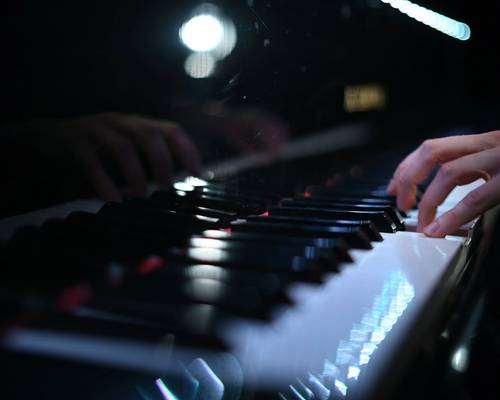
Piano: Psychological Development.
How Piano Learning Improves Memory Over Time
The process of learning, adaptation, and growth of people is mainly driven by memory. Learning Piano has emerged as one of the effective techniques of memory reinforcement via formal repetition, auditory, coordination and recalling over time. This article discusses the process by which practicing piano develops various forms of memory, reasons why these advantages become increasingly more effective, and how the benefits of learning a piano help to retain in the minds of non-musical areas.
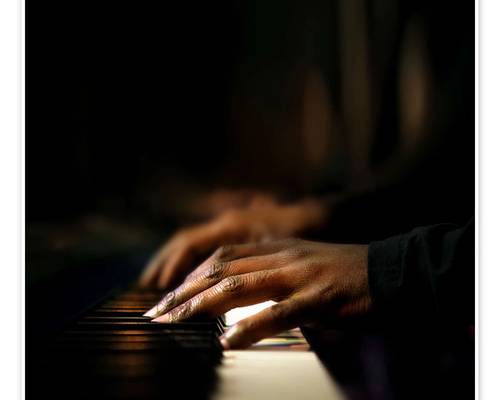
Piano & Skill Development
How Piano Practice Builds Consistency and Self-Discipline
Self-discipline and consistency are crucial personal qualities in the contemporary life but are becoming more challenging to master. The learning of piano provides a natural and effective method of developing both in a structured form of learning, in a progressive manner and through long term commitment. This paper will examine how practice in the piano will develop the consistency over the time, why the self-discipline will develop naturally at the instrument and the applicability of these abilities far beyond music in the life.
Piano & Lifelong Learning
The Reason behind the Rise of Piano Learning among Mature Beginners in the world.
The world has witnessed a potent surge in piano learning among adult learners. More individuals are learning the piano later in their lives and this is due to the flexibility of digital tools, lifestyles and now people are more focused on their personal development. The article discusses the reasons why this trend is being experienced, how adult learners treat piano differently, and why this trend is transforming the contemporary culture of the piano.
Piano & Modern Skills
The reason Learning Piano Is Better than Multitasking in a Distracted World.
Piano learning is becoming an effective tool to reconnect attention and deep thinking in a day and age where we are bombarded with notifications and do not spend enough time in deep contemplation. The mental clarity ensured by years of discipline in the practice of the piano may be that which is afforded by very few activities because it demands constant focus, physical coordination and active listening. This paper discusses the connection between learning the piano and attention, the level of cognitive and mental discipline and the reason why more and more individuals are turning to the piano to overcome distraction in the modern world.

The Culture of Piano and Contemporary Music.
The reason why Minimalist Piano Music is becoming a sound of this decade.
The minimalist piano music has come out as one of the most effective sounds of the modern age. The style is marked by its simplicity, repetition, and restraint, and they are defining the manner in which individuals listen, create, and relate to piano music nowadays. This paper delves into the reasons behind the growth of minimalist piano in popularity all over the world, its reflection of the contemporary life, and why it is a simply a new voice of this decade.
Piano & Future Learning
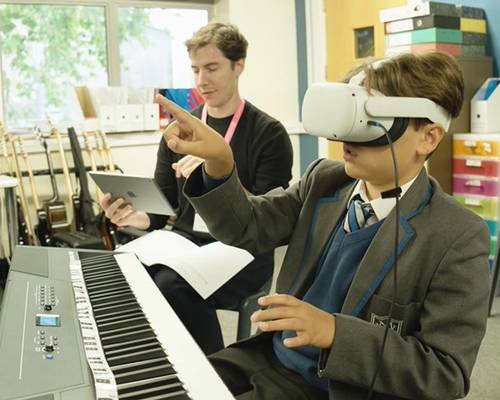
The Way AR is beginning to transform Piano Learning.
The concept of augmented reality is gradually presenting itself in the business of piano study, providing a fresh interpretation of music, technique, and practice. AR is transforming the interaction between pianists and the keyboard by combining digital guidance and physical instruments to create a new approach to playing the piano. This paper discusses the reasons behind the growing interest in augmented reality learning of piano, its functionality as well as its potential future impact on the teaching of piano.The concept of augmented reality is gradually presenting itself in the business of piano study, providing a fresh interpretation of music, technique, and practice. AR is transforming the interaction between pianists and the keyboard by combining digital guidance and physical instruments to create a new approach to playing the piano. This paper discusses the reasons behind the growing interest in augmented reality learning of piano, its functionality as well as its potential future impact on the teaching of piano.