
Piano Learning Guide.
The best way to play piano with fat fingers.
This is a simple beginner-friendlier guide to simple, effective exercises that can develop your fingers into being strong, more in control, and more flexible and have you playing the piano more easily, faster, and with greater confidence.
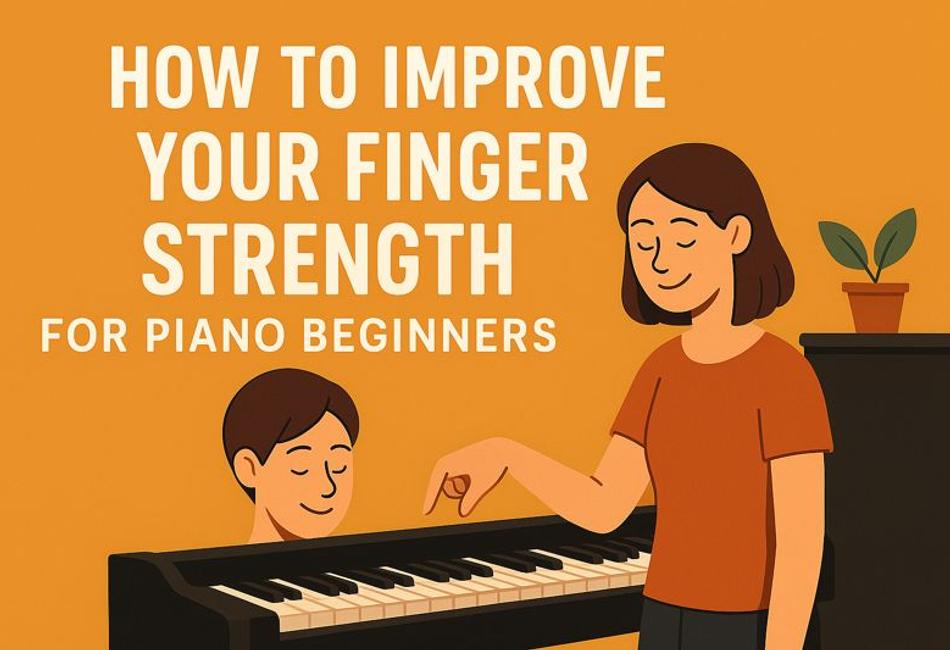
Clean notes, smooth playing and good control in the piano require strong fingers.
Novices also have problems with weak fingers, including the ring finger and the pinky finger, and playing is difficult to play evenly or quickly.
The good news? Strengths of fingers can be enhanced by simple daily exercises which do not necessarily take much time.
The following is a little advise on how to begin to work on your hands in the right direction.
Begin with Simple Finger Lifts
This activity enhances the independence and control of every finger.
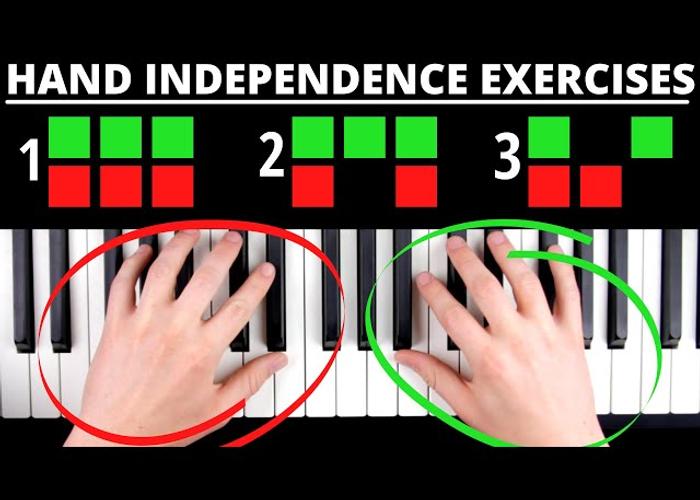
How to Do It
- Put your hand on a flat surface.
- Move one finger at a time slowly.
- Hold for 2-3 seconds.
- Repeat 5-10 times per finger.
Why it helps:
It also makes the individual fingers strong enabling them to react well when playing melodies and chords.
Five-Finger Patterns Practice.
Patterns of five fingers lead to strength, precision and control of the hand.
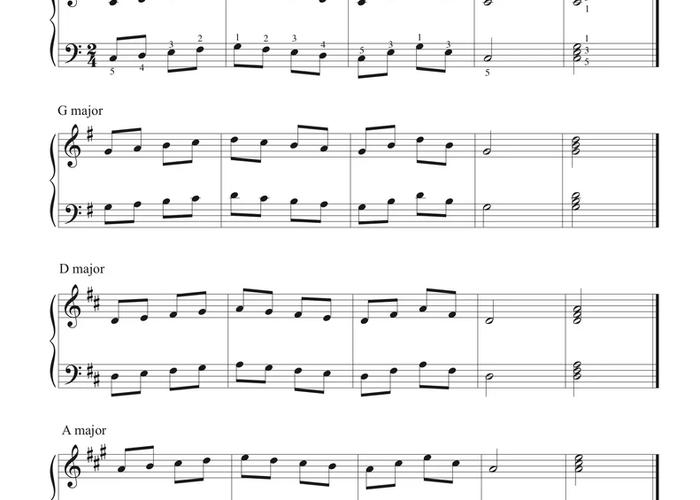
Try This Pattern
C-D-E-F-G
G-F-E-D-C
Play slowly and in a steady manner, correct fingering: 1-2-3-4-5.
Why it helps:
It makes the whole hand stronger and it enhances the balance of the fingers.
Hanon Exercises with Stronger Fingers.
Hanon is one of the most popular ways of finger strengthening of beginners.
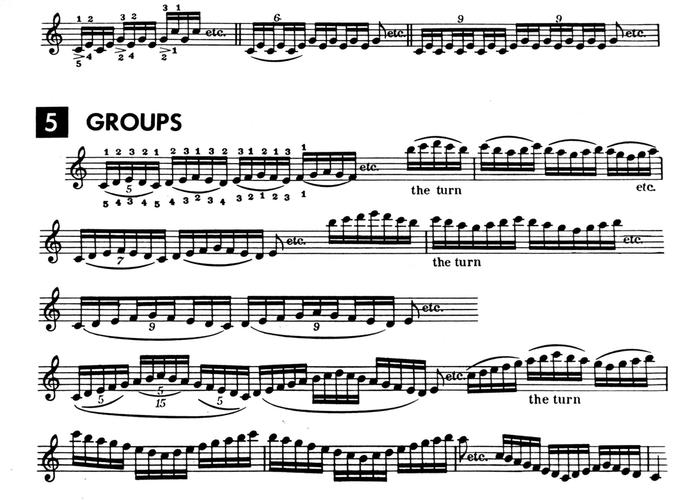
Tip for Beginners
- Start very slow
- Focus on accuracy, not speed
- Hold your fingers in a natural position.
Five minutes of Hanon a day develops evident strength.
Train Your Pinky To Tap Light.
The weakest finger is often the pinky.
This is exercised to increase its speed and power.
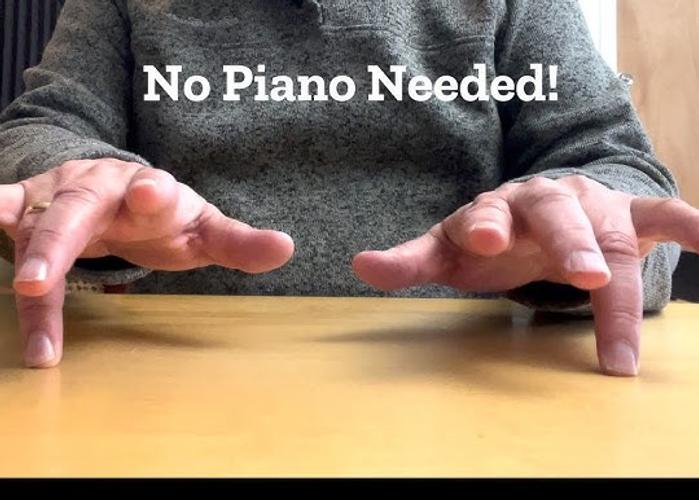
How to Do It
- Lay your hand on the table or piano.
- Touch the pinky finger many times.
- Have a curved finger position.
Why it helps:
It forms independence of pinkies, enhances chords and melodies.
Play Broken Chords Slowly
Broken chords enhance coordination and strengthen of fingers simultaneously.
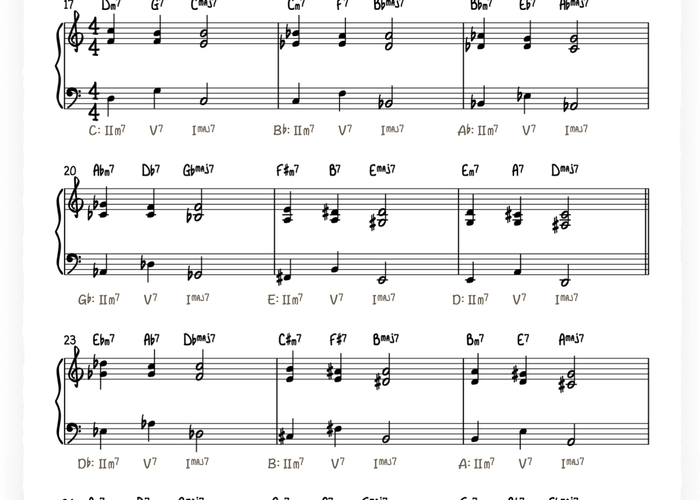
Exercise Example
C-E-G-E (repeat)
Relaxed fingers are used and the movement is small.
Why it works:
It makes the fingers hold their own weight and this enhances control.
Play with a Soft Stress Ball (Off-Piano Exercise).
Fingers off the piano can be strengthened.
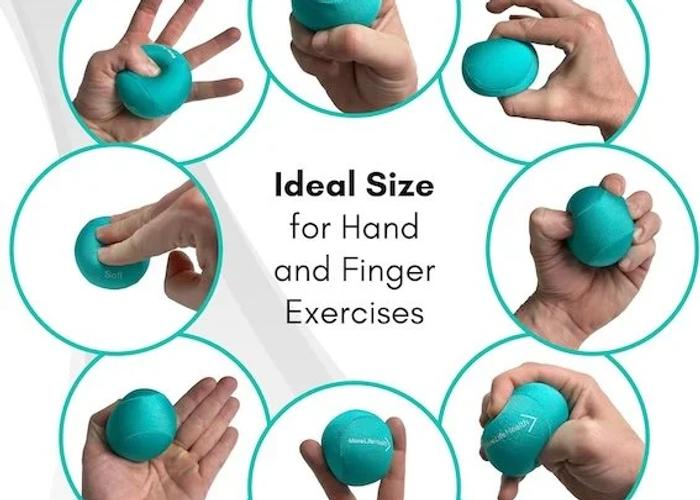
Exercise
- Squeeze lightly
- Hold for 2 seconds
- Release
- Repeat 10-15 times
Important:
Squeeze not too hard--piano power will not be made out by sternness.
Practice Daily for 5-10 Minutes
It is more important to be consistent than to work long.
Simple Daily Routine
- 2 min finger lifts
- 3 min five-finger pattern
- 3 min Hanon or broken chords
After only a few weeks, you will observe:
- Better control
- Faster playing
- Smoother transitions
- Less hand fatigue
Conclusion
One of the most crucial things that should be done by piano beginners is to improve the finger strength. Simple exercises and practice will make your hands stronger and more flexible and able to play confidently.
More from the blog
Keep exploring new ideas
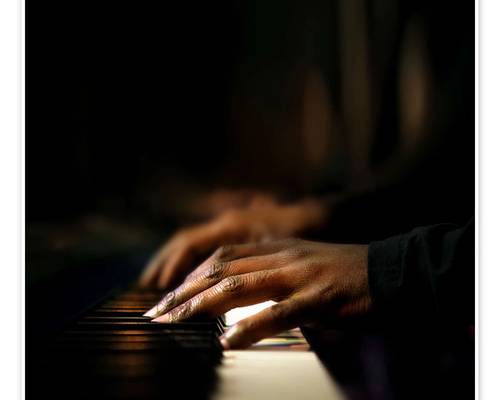
Piano: Psychological Development.
How Piano Learning Improves Memory Over Time
The process of learning, adaptation, and growth of people is mainly driven by memory. Learning Piano has emerged as one of the effective techniques of memory reinforcement via formal repetition, auditory, coordination and recalling over time. This article discusses the process by which practicing piano develops various forms of memory, reasons why these advantages become increasingly more effective, and how the benefits of learning a piano help to retain in the minds of non-musical areas.
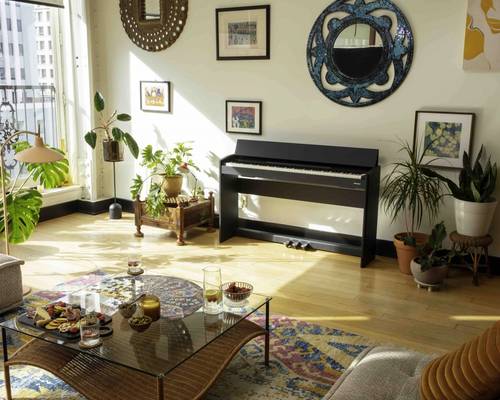
Piano & Skill Development
How Piano Practice Builds Consistency and Self-Discipline
Self-discipline and consistency are crucial personal qualities in the contemporary life but are becoming more challenging to master. The learning of piano provides a natural and effective method of developing both in a structured form of learning, in a progressive manner and through long term commitment. This paper will examine how practice in the piano will develop the consistency over the time, why the self-discipline will develop naturally at the instrument and the applicability of these abilities far beyond music in the life.
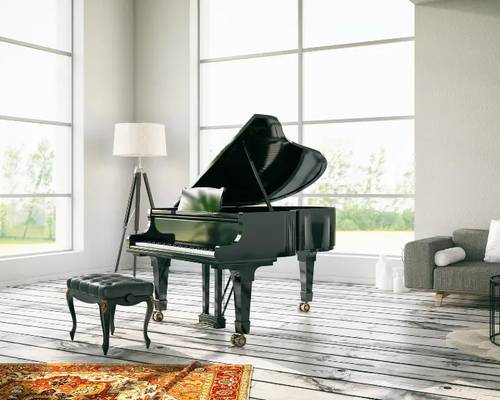
Piano & Lifelong Learning
The Reason behind the Rise of Piano Learning among Mature Beginners in the world.
The world has witnessed a potent surge in piano learning among adult learners. More individuals are learning the piano later in their lives and this is due to the flexibility of digital tools, lifestyles and now people are more focused on their personal development. The article discusses the reasons why this trend is being experienced, how adult learners treat piano differently, and why this trend is transforming the contemporary culture of the piano.
Piano & Modern Skills
The reason Learning Piano Is Better than Multitasking in a Distracted World.
Piano learning is becoming an effective tool to reconnect attention and deep thinking in a day and age where we are bombarded with notifications and do not spend enough time in deep contemplation. The mental clarity ensured by years of discipline in the practice of the piano may be that which is afforded by very few activities because it demands constant focus, physical coordination and active listening. This paper discusses the connection between learning the piano and attention, the level of cognitive and mental discipline and the reason why more and more individuals are turning to the piano to overcome distraction in the modern world.

The Culture of Piano and Contemporary Music.
The reason why Minimalist Piano Music is becoming a sound of this decade.
The minimalist piano music has come out as one of the most effective sounds of the modern age. The style is marked by its simplicity, repetition, and restraint, and they are defining the manner in which individuals listen, create, and relate to piano music nowadays. This paper delves into the reasons behind the growth of minimalist piano in popularity all over the world, its reflection of the contemporary life, and why it is a simply a new voice of this decade.
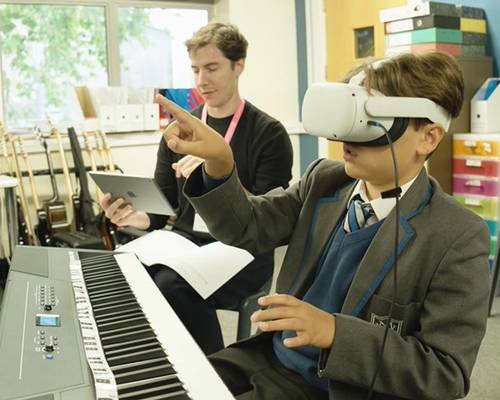
Piano & Future Learning
The Way AR is beginning to transform Piano Learning.
The concept of augmented reality is gradually presenting itself in the business of piano study, providing a fresh interpretation of music, technique, and practice. AR is transforming the interaction between pianists and the keyboard by combining digital guidance and physical instruments to create a new approach to playing the piano. This paper discusses the reasons behind the growing interest in augmented reality learning of piano, its functionality as well as its potential future impact on the teaching of piano.The concept of augmented reality is gradually presenting itself in the business of piano study, providing a fresh interpretation of music, technique, and practice. AR is transforming the interaction between pianists and the keyboard by combining digital guidance and physical instruments to create a new approach to playing the piano. This paper discusses the reasons behind the growing interest in augmented reality learning of piano, its functionality as well as its potential future impact on the teaching of piano.