
Piano Buying Guide
The Complete Guide to your First Piano: How to Select and Buy a Piano.
It can be overwhelming with the number of choices in the market choosing your first piano. Whether it is an acoustic or digital piano, space or budget constraints, or learning objectives, all choices will influence your future development. It is an all-encompassing guide to a beginner and everything you need to know to make the correct choice of piano and embark on your piano education on the correct footing.
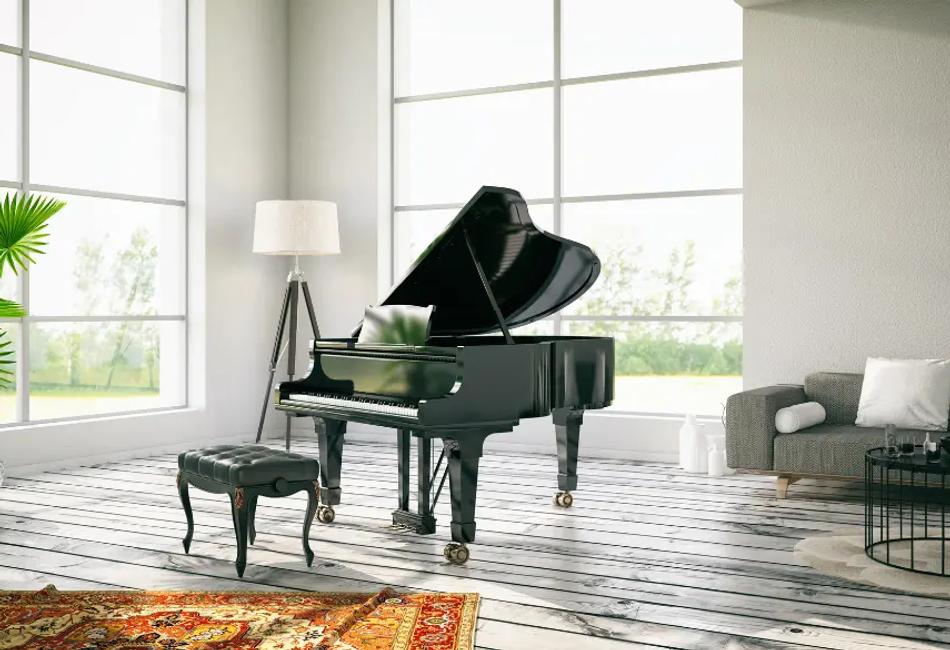
Purchasing the first piano is a huge milestone, and it is also one of the most critical choices a novice has to make. The kind of the piano that you use determines the level of comfort that you have when practicing, how much you are motivated and how easy it is to improve with time. Most amateurs stop not due to the difficulty of playing piano, but because they initially choose the wrong instrument.
The contemporary market is more than ever before with more options. There is a wide range of acoustic pianos, digital pianos, keyboards, hybrid instruments, and many brands that may soon bewilder the beginners. This guide simplifies all this and makes it practical so that you can know what matters at the very end when you are deciding on your first piano.
It is not about purchasing the most expensive instrument but it is about selecting the correct instrument.
The Difference between Piano and Keyboard
It is imperative to recognize the distinction between a piano and a keyboard before deciding on which one to purchase because people tend to use these terms interchangeably.
A piano, whether acoustic or electronic, is intended to mimic the experience, structure, and dynamics of an older instrument. It is considered to be of 88 keys and weighted action, responsive to touch.
Keyboards tend to be lighter, less numerous, and intended to have easy movement and diversity of sound as opposed to piano playing. Keyboards, although useful, will not be good in serious learning of piano.
A piano-style instrument will always be better with learners who desire good technique and long-term development.
Digital vs. Acoustic Piano: Which one should you buy?
One of the initial choices that novices have to undertake is whether to buy an acoustic or digital piano. There are pros and cons in both, and the correct option is based on the lifestyle, space, and objectives.
Acoustic Piano Overview
Acoustic pianos are musically sound-producing instruments that play with the help of hammers and strings. They have natural resonance and touch sensitivity which is prized by many musicians.
Advantages:
- Authentic sound and feel
- Emotional attachment.
- Long lifespan
Challenges:
- Tuner and maintenance are required.
- Larger and heavier
- Higher cost
Digital Piano Overview
Digital pianos employ sampled tones as well as weighted pipes to give the impression of an acoustic piano.
Advantages:
- No tuning required
- Headphone facilitation of silent rehearsal.
- More affordable and compact
Challenges:
- Sound is speaker-based or headphone-based.
- Feel varies by model
A good digital piano can be a good and convenient starting point to most beginners today.
Why Action is A Key Quality More Than Sound
Sound quality is the concern of beginners, yet the most important thing is the key action. How the keys feel when pushed is referred to as key action.
Hammer or weighted keys behave as an imitation of the resistance of an acoustic piano. Such resistance is necessary in the development of finger strength, control and correct technique.
Avoid instruments with:
- Unweighted keys
- Semi-weighted keys (to learn the piano)
In case the keys are too light, it becomes challenging to go to a real piano in the future.
The Importance of 88 Keys
The total number of keys in a full piano is 88 and a beginner should strive to use an instrument that has all the keys.
Other keyboards are also provided with fewer keys as a cost saving strategy, however, it hinders learning:
- A lot of pieces demand entire range.
- There is an inconsistency in the position of hands.
- Progress is restricted
The 88 keyboard means that you will never outgrow your instrument.
How to select the Right Piano in Your Room
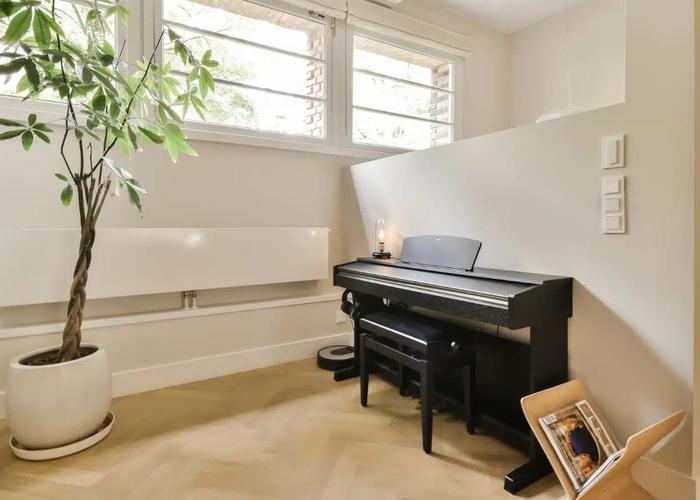
Space contributes significantly in the selection of the piano. Calculate your space prior to buying.
Small Apartments
- Slim-line digital piano on a stand.
- Noise cancelling headphones.
Medium Rooms
- Console digital piano
- Compact upright acoustic
Large Spaces
- Upright acoustic
- Baby grand (if budget allows)
Do not purchase a piano and see what space you have left last.
Budget Planning Outline
An amateur piano does not have to be costly, but it should be of the necessary quality.
Recommended Budget Ranges
- Dollar-level digital piano: cost-effective and efficient.
- Mid-range digital piano: improved action, better sound.
- Acoustic upright: increased investment.
Cheap keyboards with compromised key action and lifespan should be avoided.
An average entry level piano is one that is investment based on consistency, rather than luxury.
Knowing When to buy a new or used piano: what beginners need to know
Via purchasing used, it is possible to save money but risks are involved.
Used Acoustic Piano
- Have to be checked by a technician.
- Tuning history matters
- Repairs can be costly
Used Digital Piano
- Check key responsiveness
- Ensure no dead keys
- Test speakers and ports
To novices who lack technical expertise, it is usually safer to purchase new ones.
Basic Aspects Introduces An Actual Requirement
There are several features on the modern pianos but there are those basics required by beginners:
- Weighted keys
- Sustain pedal support
- Metronome
- Headphone jack
Such features as hundreds of sounds or recording modes are not mandatory.
Don't get features, learn fundamentals.
Piano Bench, Stand, and Posture Set
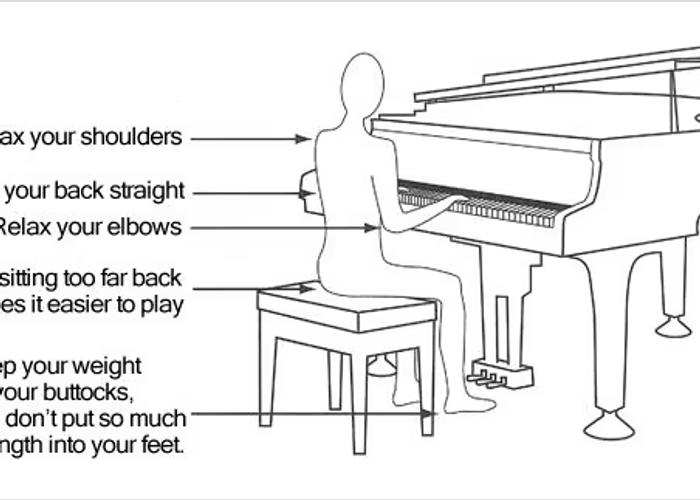
An effective arrangement helps to avoid pain and suffering.
- Bench height must be a little above keys.
- Feet flat on the floor
- Wrists relaxed, not bent
Do not play on chairs which are too low or shaky.
Proper posture helps in improving the technique and time of practice.
Noise and Headphones
The other common concern of many beginners is not to be disturbing. This issue is addressed easily by digital pianos.
Headphones allow:
- Late-night practice
- Focused sessions
- Stress-free learning
Select closed-back headphones due to the superior isolation of sound.
Long-term Development: Will You Have Grown out of Your Piano?
The most frequent amateur error is to purchase a piano that will not serve over months.
Ask yourself:
- Is this piano favoring high level works?
- Will it feel good after one year?
Selecting a little higher than the minimum requirement will guarantee life.
Errors to be avoided when purchasing a piano
- Purchasing on the basis of looks alone.
- Selecting the lowest price alternative.
- Ignoring key action
- Buying without testing
Take time. In hurry, a decision is usually regretted.
The Piano Before Buying Test.
If possible:
- Play scales slowly
- Test soft and loud dynamics
- Listen for uneven keys
Brand name not as comfortable as trust.
Last Minute Pre-purchase Checklist.
Prior to settling your decision, ensure:
- 88 weighted keys
- Proper stand and bench
- Sustain pedal included
- Fits your space and budget
When all the boxes are checked, then you are prepared.
Conclusion
When you are picking your first piano you are not buying a perfect one but a suitable one. The correct piano makes the learning pleasant, regular, and fulfilling. Being aware of key action, size, space, and long-term needs, beginners would not make the most frequent mistakes, and they would be able to start with confidence.
A piano whose place of choice is selected turns out to be more than a instrument. It takes part in your educational process.
More from the blog
Keep exploring new ideas
Piano: Psychological Development.
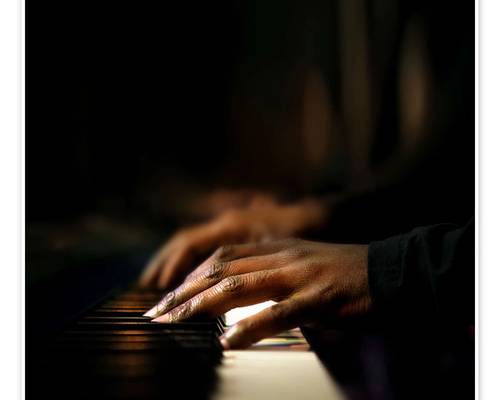
How Piano Learning Improves Memory Over Time
The process of learning, adaptation, and growth of people is mainly driven by memory. Learning Piano has emerged as one of the effective techniques of memory reinforcement via formal repetition, auditory, coordination and recalling over time. This article discusses the process by which practicing piano develops various forms of memory, reasons why these advantages become increasingly more effective, and how the benefits of learning a piano help to retain in the minds of non-musical areas.
Piano & Skill Development
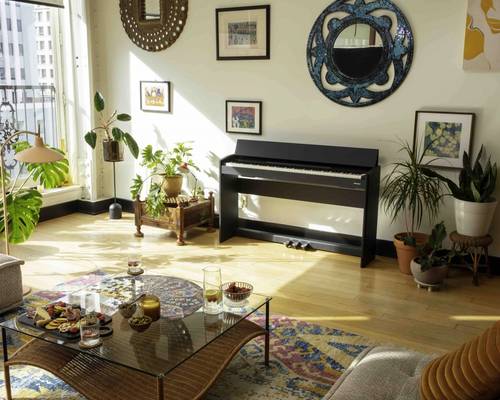
How Piano Practice Builds Consistency and Self-Discipline
Self-discipline and consistency are crucial personal qualities in the contemporary life but are becoming more challenging to master. The learning of piano provides a natural and effective method of developing both in a structured form of learning, in a progressive manner and through long term commitment. This paper will examine how practice in the piano will develop the consistency over the time, why the self-discipline will develop naturally at the instrument and the applicability of these abilities far beyond music in the life.
Piano & Lifelong Learning
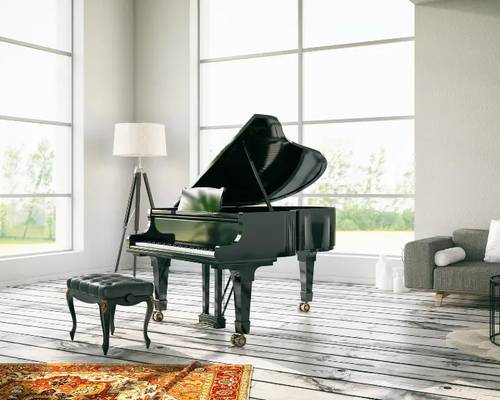
The Reason behind the Rise of Piano Learning among Mature Beginners in the world.
The world has witnessed a potent surge in piano learning among adult learners. More individuals are learning the piano later in their lives and this is due to the flexibility of digital tools, lifestyles and now people are more focused on their personal development. The article discusses the reasons why this trend is being experienced, how adult learners treat piano differently, and why this trend is transforming the contemporary culture of the piano.
Piano & Modern Skills
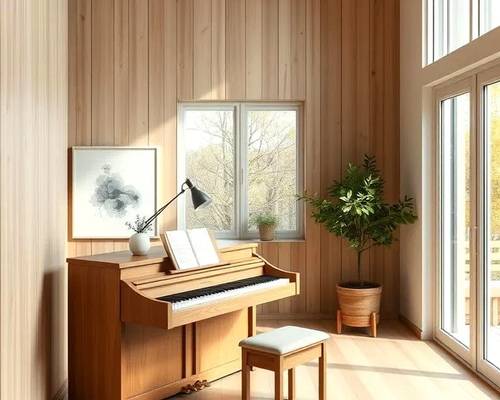
The reason Learning Piano Is Better than Multitasking in a Distracted World.
Piano learning is becoming an effective tool to reconnect attention and deep thinking in a day and age where we are bombarded with notifications and do not spend enough time in deep contemplation. The mental clarity ensured by years of discipline in the practice of the piano may be that which is afforded by very few activities because it demands constant focus, physical coordination and active listening. This paper discusses the connection between learning the piano and attention, the level of cognitive and mental discipline and the reason why more and more individuals are turning to the piano to overcome distraction in the modern world.
The Culture of Piano and Contemporary Music.
The reason why Minimalist Piano Music is becoming a sound of this decade.
The minimalist piano music has come out as one of the most effective sounds of the modern age. The style is marked by its simplicity, repetition, and restraint, and they are defining the manner in which individuals listen, create, and relate to piano music nowadays. This paper delves into the reasons behind the growth of minimalist piano in popularity all over the world, its reflection of the contemporary life, and why it is a simply a new voice of this decade.
Piano & Future Learning
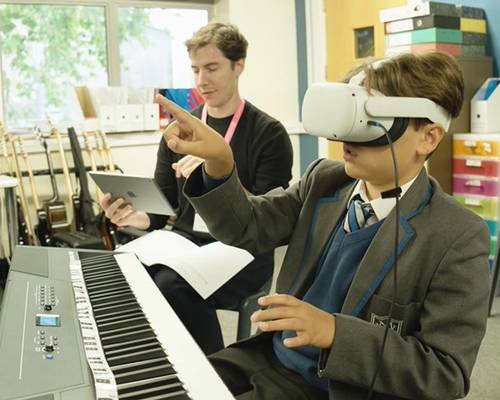
The Way AR is beginning to transform Piano Learning.
The concept of augmented reality is gradually presenting itself in the business of piano study, providing a fresh interpretation of music, technique, and practice. AR is transforming the interaction between pianists and the keyboard by combining digital guidance and physical instruments to create a new approach to playing the piano. This paper discusses the reasons behind the growing interest in augmented reality learning of piano, its functionality as well as its potential future impact on the teaching of piano.The concept of augmented reality is gradually presenting itself in the business of piano study, providing a fresh interpretation of music, technique, and practice. AR is transforming the interaction between pianists and the keyboard by combining digital guidance and physical instruments to create a new approach to playing the piano. This paper discusses the reasons behind the growing interest in augmented reality learning of piano, its functionality as well as its potential future impact on the teaching of piano.