
Online Piano Learning
The Piano Practice-How to Practice Efficiently With Minimal Time.
Piano should not be avoided because of hectic schedules. The following beginner instructional guide concentrates on teaching you how to practice in short bursts of no more than 15-30 minutes per day so that you can achieve incremental progress even with little as 15-30 minutes per day.
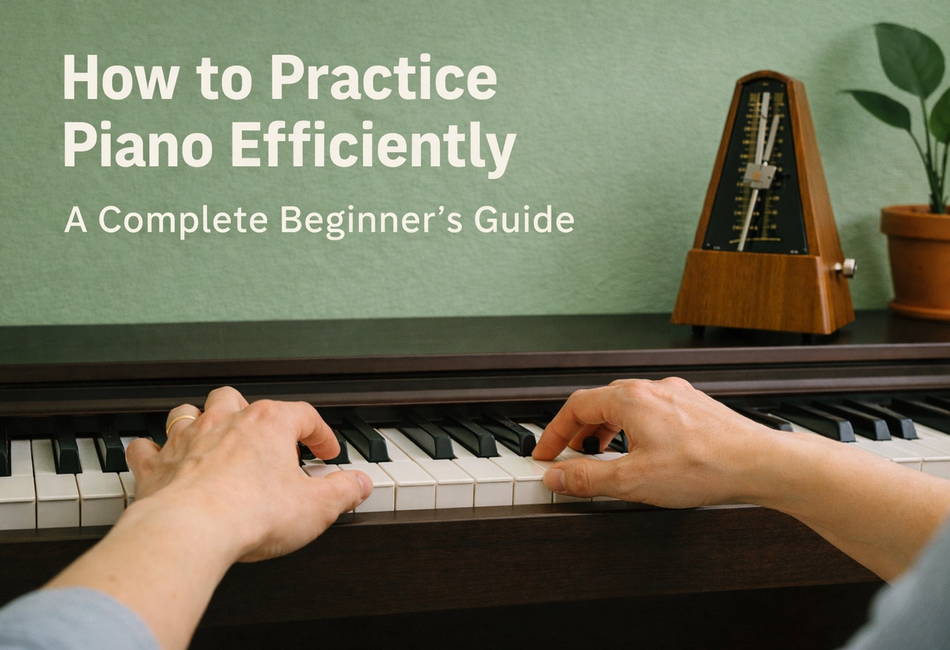
It is a struggle to get enough time to practice with one of the greatest challenges to piano beginners. There is always a question of realism between work, school, family activities and day-to-day life of sitting down and long sessions of playing the piano. There are a large number of learners who think that they can not improve without at least an hour of practice every day. This discourages them and they ultimately quit the practice.
The truth is very different. The quality and the structure of your practice determines whether you will advance further in piano progress or not. The short sessions of concentration of practice can be very effective provided that they are carried out properly and regularly. Indeed, one of the most effective methods many skilled musicians use to practice is efficient and focused practice sessions as opposed to long and unfocused ones.
The given guide is aimed at the beginners who should develop their piano skills and have little time. You will know how to organize short practice sessions, what to pay attention to, which habits not to follow and how to make every minute of time at the piano worth.
The Case of Efficient practice versus Long practice
Long focus-free practice is likely to result in:
- Mental fatigue
- Loss of concentration
- Repetition of mistakes
- Hands and shoulder physical tension.
In case your brain is too weary, your brain ceases to learn. You can keep playing, however, more slowly. Efficient practice aims at being clear, intentional and aware and this enables your brain to internalize information more quickly.
Limited practice sessions promote more concentration and the possibility of not making careless mistakes. In a case where time is a grave factor, then efficiency would be your best asset.
Having a Specific Objective in Each Practice
Any efficient practice is always preceded by a goal. Spending time at the piano with no idea of what to focus on is likely to result in random playing, which is time-wasting.
Prior to commencing practice, ask yourself:
- So what should I actually improve on today?
- What is the area or area of competency of concern?
Examples of Effective Practice Goals.
- Better time in a problematic measure.
- Test hand coordination in a test passage.
- Practise a scale by correct fingering.
- Learn four piece measurements.
A single objective will make your practice focused and fruitful.
The Fidelity of the Character of the performance is Greater than Duration
It is much better, especially when it comes to practicing a little every day instead of hours of practice once or twice a week long. Life enables your brain to remember and train your muscles.
Even 15-30 minutes per day may result in consistent progress in case practice is organized properly. However, when you are consistent, your hands and mind will be trained to remain in touch with the instrument so that you do not have to learn something over and over again.
Practice at the piano is like exercise: little and regular practice is more beneficial than the infrequent and intense practice.
Organizing a Short Practice Session
Effective practice must be organized. You should not play randomly, but you should split your practice time into distinguished parts.
Sample: 20 Minutes Effective Practice Routine.
- 5 minutes: warm-up
- 5 minutes: technical focus
- 5 minutes: problem-solving
- 5 minutes: musical practice.
This layout will make you go through the necessary skills without being in the hurry.
Smart Warm-Ups That Save Time
Warm-ups put your hands and mind into a concentrated practice. Nevertheless, it is not the warm-ups that should take up the whole session.
Effective warm-ups include:
- Simple five-finger patterns
- Slow scales in one key
- Exercise of the light fingers by themselves.
It is aimed at opening up your hands, becoming more controlling and redirecting attention to the piano. Beginners should be given five minutes.
Repetition: The Hardest Part First
You can begin with the most challenging piece of your practice material when there is a limited amount of time to cover. Your focus will be at the start of a session, and that will be the most appropriate time to address problems.
Difficulties most often seen are in:
- Tricky rhythms
- Hand coordination problems
- Fast passages
- Awkward fingerings
When these sections are done at the beginning of the work, it becomes much easier to improve them faster and avoid being frustrated in the future.
The Significance of the Slowness of Practice
One of the most effective tools of efficient learning is slow practice. Novices usually hurry to music to get it finished but this is not the case as it will cause more problems than solutions.
Slow practice allows you to:
- Hear mistakes clearly
- Control finger movement
- Develop proper muscle memory.
By not being able to play something slowly and evenly, you will only be encouraging errors through playing faster. Slowing down also saves time since less corrections have to be made in the future.
Critical Repetition As opposed to Repeating Endlessly
To rehearse the same passage without thinking does not result in improvement. Efficient repetition is willful and deliberate.
There should be a point in every repetition:
- Fix a rhythm issue
- Improve hand balance
- Correct finger movement
When you do a wrong thing a number of times, you are conditioning your brain to remember it. Always repeat with understanding.
Saving Time With Hands-Separate Practice
There is more mental effort and coordination involved in hands-together practice. In case of limited time, it can be much more effective to practice hands separately.
Hands separate practice will enable you to:
- Fix note accuracy
- Improve rhythm
- Build confidence
When each hand has gotten used to itself then it becomes more comfortable to put both hands together.
Practicing With a Metronome
A metronome will keep your attention on track and will not allow you to hurry. It gives you a consistent rhythm that makes your practice focused and concentrated.
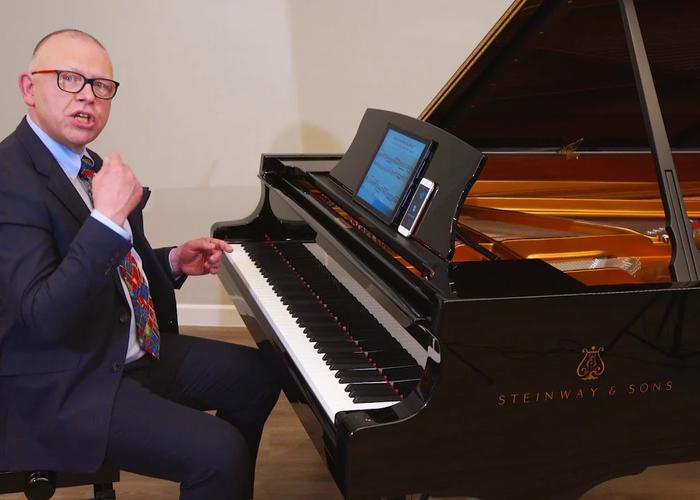
Metronome: Effective Practice Hints.
- Start at a slow tempo
- Play evenly, not loudly
- Keep on going even when errors occur.
The metronome also trains your internal sense of timing, which is more efficient in general.
The common pitfalls to avoiding wasted time
There are habits which are perceived as productive yet dragging progress.
Common Inefficient Habits
- Pieces you are familiar with playing.
- Getting back to the start with the mistakes.
- Practicing too fast
- Disregarding rhythm and timing problems.
Effective practice is about weaknesses, and not comfort zones.
Practicing Mentally in the absence of the piano
It is not always necessary that the piano is needed to practice. Reflection may be surprisingly effective.
Mental practice includes:
- Watching the movements of fingers.
- Reading sheet music without speaking.
Counting rhythms - Listening to recordings.
Such a practice enhances comprehension and memorization hence physical exercise is more beneficial when you get back to the piano.
Developing a Basic Weekly Practice Plan
Each week plan makes you organized and avoids repetitive and unfocused practice.
Example Weekly Focus Plan
- Day 1-2: rhythm and timing
- Day 3-4: hand coordination
- Day 5: technique and scales
- Day 6: review and polish
- Day 7: light, enjoyable playing
Preparation is time saving and makes practice balanced.
How to Be Motivated with a Limited Time
Motivation may decrease when things are not flying forward. Success needs to be measured in realistic ways.
Focus on:
- Small improvements
- Consistent effort
- Enjoyment of the process
Progress builds gradually. Every small step can be seen to grow into weeks and months.
Conclusion
Limited time does not imply that you will not be able to be successful at piano. With effective practice techniques, concrete objectives, and regular brief sessions, novices are able to achieve significant development without wasting hours at the keyboard.
Good practice in the piano is not time but focus, organization, and intent. With practice smart even a little bit a day can make all the difference and result in gradual improvement and success in the long run.
More from the blog
Keep exploring new ideas
Piano: Psychological Development.
How Piano Learning Improves Memory Over Time
The process of learning, adaptation, and growth of people is mainly driven by memory. Learning Piano has emerged as one of the effective techniques of memory reinforcement via formal repetition, auditory, coordination and recalling over time. This article discusses the process by which practicing piano develops various forms of memory, reasons why these advantages become increasingly more effective, and how the benefits of learning a piano help to retain in the minds of non-musical areas.
Piano & Skill Development
How Piano Practice Builds Consistency and Self-Discipline
Self-discipline and consistency are crucial personal qualities in the contemporary life but are becoming more challenging to master. The learning of piano provides a natural and effective method of developing both in a structured form of learning, in a progressive manner and through long term commitment. This paper will examine how practice in the piano will develop the consistency over the time, why the self-discipline will develop naturally at the instrument and the applicability of these abilities far beyond music in the life.
Piano & Lifelong Learning
The Reason behind the Rise of Piano Learning among Mature Beginners in the world.
The world has witnessed a potent surge in piano learning among adult learners. More individuals are learning the piano later in their lives and this is due to the flexibility of digital tools, lifestyles and now people are more focused on their personal development. The article discusses the reasons why this trend is being experienced, how adult learners treat piano differently, and why this trend is transforming the contemporary culture of the piano.
Piano & Modern Skills
The reason Learning Piano Is Better than Multitasking in a Distracted World.
Piano learning is becoming an effective tool to reconnect attention and deep thinking in a day and age where we are bombarded with notifications and do not spend enough time in deep contemplation. The mental clarity ensured by years of discipline in the practice of the piano may be that which is afforded by very few activities because it demands constant focus, physical coordination and active listening. This paper discusses the connection between learning the piano and attention, the level of cognitive and mental discipline and the reason why more and more individuals are turning to the piano to overcome distraction in the modern world.
The Culture of Piano and Contemporary Music.
The reason why Minimalist Piano Music is becoming a sound of this decade.
The minimalist piano music has come out as one of the most effective sounds of the modern age. The style is marked by its simplicity, repetition, and restraint, and they are defining the manner in which individuals listen, create, and relate to piano music nowadays. This paper delves into the reasons behind the growth of minimalist piano in popularity all over the world, its reflection of the contemporary life, and why it is a simply a new voice of this decade.
Piano & Future Learning
The Way AR is beginning to transform Piano Learning.
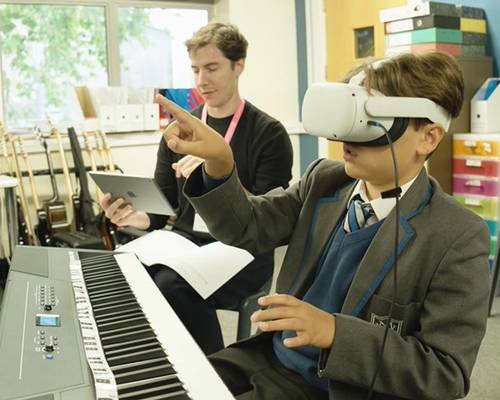
The concept of augmented reality is gradually presenting itself in the business of piano study, providing a fresh interpretation of music, technique, and practice. AR is transforming the interaction between pianists and the keyboard by combining digital guidance and physical instruments to create a new approach to playing the piano. This paper discusses the reasons behind the growing interest in augmented reality learning of piano, its functionality as well as its potential future impact on the teaching of piano.The concept of augmented reality is gradually presenting itself in the business of piano study, providing a fresh interpretation of music, technique, and practice. AR is transforming the interaction between pianists and the keyboard by combining digital guidance and physical instruments to create a new approach to playing the piano. This paper discusses the reasons behind the growing interest in augmented reality learning of piano, its functionality as well as its potential future impact on the teaching of piano.