
Piano & Modern Learning
The reason as to why Adult Piano Learning is Going Nuts across the globe at this moment.
The learning of piano among adults is gaining momentum in the whole world in a show of unprecedented proportionality. Those beginning piano without prior experience are more grown-ups than ever, as they seek to alter their lifestyles due to changing lifestyles, digital availability, and a transition to meaningful personal development. The paper discusses reasons as to why learning the piano has become such a trend among the adult population, the motivations behind taking it up in late adulthood and the trend is transforming the contemporary culture of the piano.
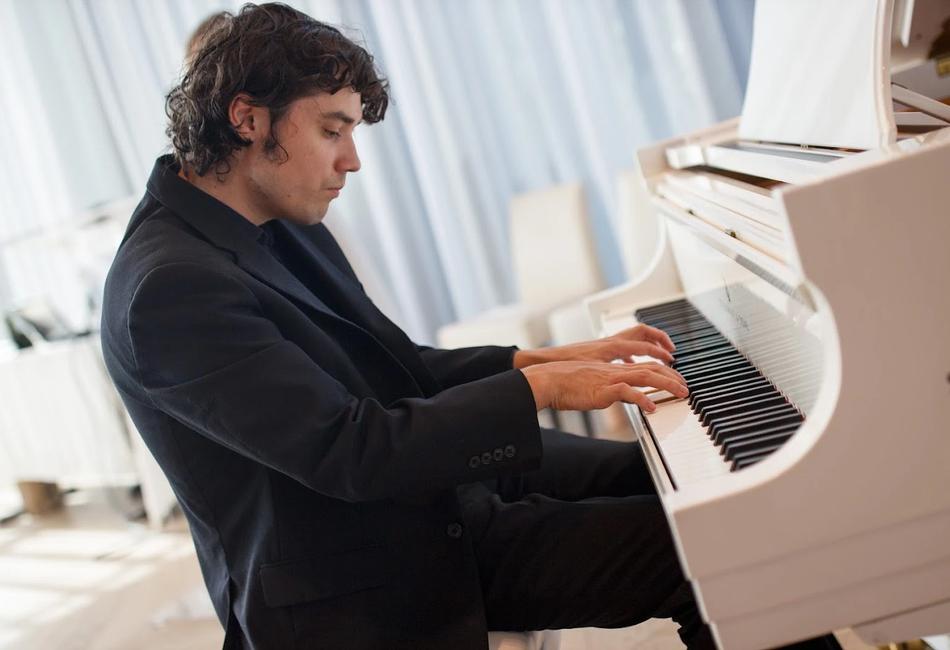
Decades ago, the learning of piano was considered an activity of childhood. It was common among adults who had never touched a keyboard to think that they were too late to begin to music, or that you had to be young to be musical, or that success in music was gradual and disappointing. This belief is fading away nowadays. Adults are taking piano lessons in large numbers in the world as never before and adult learning of piano is one of the most important current trends in the teaching of music.
Professional ambition does not lead to this change. The vast majority of adult learners are not directed towards concert stages and official qualifications. Instead, they want to be fulfilled, balanced, creative and they want to reach their own level of achievement. Learning piano has been turned into a kind of self-investment and not a performance object.
The emergence of adult learning of piano is indicative of further cultural transformation in the perceptions of time, learning, and personal development among people.
Why This Trend Is Occurring at this Time
Learning piano among adult individuals did not suddenly gain popularity by chance. It was a result of convergent social, technological and psychological transformations which coincided simultaneously.
The contemporary life is becoming more and more hectic and mind-straining. Most adults do not associate themselves with creative endeavors that give them pleasure. Learning piano is an experience that is not easily found today because there is no digital noise. It is a thing that requires attention, and at the same time offers peace.
Meanwhile, the access to learning has increased. Online learning, computerized pianos and adaptable methods of instruction have eliminated obstacles that previously demoralized adults. Studying does not have to be filled with unexciting classes and stressful settings.
This composition has rendered the process of learning the piano possible, pertinent, and fulfilling.
The way the Adult Learners are redefining the culture of Piano
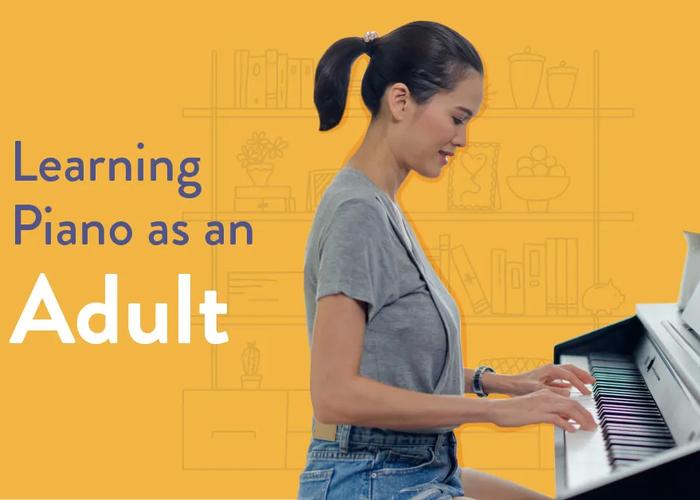
The classical culture of piano tended to promote the idea of early training, technique mastery, and discipline in the long run. Piano is different with adult learners. They prefer to express themselves more than speed, comprehend rather than contest and pleasure more than compare.
This trend is altering the design of piano education. Flexibility, relevance and personal goals are the new concerns of teachers and platforms. The choice of repertoires is expanded. Development is gauged by contentment and not exams.
Piano culture is not being diluted by the adult learners. They are expanding it.
The Emotional Motivation of adult learning of piano
Adults unlike children tend to decide to learn piano deliberately. This decision can be linked to more emotional reasons.
After learning the piano during childhood, some adults come back and want to rediscover the part of themselves that they let go of. Others start afresh as a means of unloading stress or grief or significant life changes. Piano is a place of contemplation and not success.
This emotional drive is very strong commitment. Adults can develop later than children in terms of physical abilities, yet they can be even more focused and consistent than expected.
It makes learning important since it is not imposed, but it is chosen.
The reason why adults learn differently than children
Adults do not only bring in the aspect of life experience, critical thinking and self awareness in the learning process. They perceive patterns, concepts and structure in haste. This enables them to understand musical concepts on a profound level despite the fact that coordination may come up over time.
Different questions are also asked by adults. They desire to find out to know why something works rather than how. This interest results in the improvement of knowledge and the long-term memory.
Although adult learners might lack patience at the beginning, their deliberate attitude will tend to offer gradual and fulfilling development.
Using Digital Tools in Adults Piano Learning
The high role of technology in this trend has been significant. The digital piano enables one to practice in a common living room. There is no pressure since learning platforms are guided. Recording tools assist learners to make objective progress.
These tools will suit adult lives. It may be practiced early in the morning or late in the night. The same lesson can be repeated several times. The development makes itself apparent and inspiring.
Discipline is not substituted with technology. It supports it.
Busting the Myth about the Too Late to Learn
The failure of the idea that it is useless to learn piano late is one of the strongest forces of this trend. It is now evident that complex skills can be learned by adults, based on neuroscience, research in education and real-life cases.
Progress can be in various forms, but it is not any less. With limited technical skills, adults can become very sensitive and interpretive of music.
This fact has uncaged a lot of individuals out of narrow self-imposed restrictions.
Why Piano is the favorite to the adult audience
The piano is among instruments that adult learners find special attractive. Its graphic design renders musical relations obvious. It enables harmony, melody, and rhythm to be experimented at the same time.
It does not take a long time before a beginner can make satisfying sounds unlike some instruments. This instant feedback ensures that motivation is high at initial stages.
The piano is also appropriate to solo learning. Adults do not have to be members of groups or rely on others to have fun.
The Teaching Methods Changing the Adult Learners
It does not take long before teachers dealing with adults understand that the old techniques are not necessarily applicable. Adult learners cherish independence and clarification. They desire to be taught something that relates to real music that they can listen.
Consequently, there has been a change in teaching styles. Lessons are frequently focused on practice, leisurely speed, and individual objectives. This has made education of the piano better.
Adult learners are defining improved teaching to all.
The Psychological Goods that are fuelling the Trend
In addition to music, adult learning of piano presents psychological advantages, which go in line with the contemporary requirements. It gives order, but not pressure, difficulty, not rivalry.
Regular practice of the piano has been referred to by many adults as a mental cleanse. It draws a line between work and individual life. The focus on screens is moved to sound and motion.
Such advantages are especially useful at the time when the world is always stimulated.
Social and Community Relationship with Adult learners
New communities have also been promoted in adult learning of piano. The virtual recitals, online forums, and mutual progress videos enable the learners to connect without being judged.
These societies face competition because they are encouragement-focused. Adults help each other get out of difficulties and appreciate insignificant achievements.
It is this feeling of belonging that enhances dedication and pleasure.
The reason why this trend is sustainable
As opposed to trends based on novelty, adult learning in the field of the piano is maintained through intrinsic motivation. Students are not pursuing fast outcomes. They are developing long time habits.
Due to the fact that goals are not external but personal, dropout rates are minimized. Learning is integrated into identity as opposed to an interim project.
This sustainability implies that the learning of piano in the adult stage is not a transitional process.
The Industry Response by the Piano Industry
This has changed in the notice of instrument manufacturers, educators and content creators. Now products are geared towards adult beginners. Marketing is about accessibility and fun instead of being virtuous.
This reaction also supports this trend. Adults do not feel marginalized but feel supported.
Piano business is changing with its customers.
Adult piano learning in the future
This development will eventually make learning the piano a norm in the life learning process as an adult. It will not be perceived as a late appearance, it will be perceived as a natural progression to personal development.
There will be an increase in hybrid learning models of teacher, technology and community. More adults will consider music as something that one can learn and then continue to learn at any age.
The central part of this movement will be played by the piano due to its versatility and emotionality.
The Importance of This Trend in Non-musical Areas
The process of adult learning the piano is a larger cultural change. The concepts of success, fulfilment, and productivity are being redefined by people. The aspect of career advancement is no longer associated with learning. It is connected with individual meaning.
The piano is a real method to dealing with this transition. It is patience, growth and expression in a world which tends to value speed.
This is the reason why the trend is so deep-seated.
Conclusion
The adult learning of the piano world wide is a tremendous shift in the way individuals associate music, education and self. Adults are regaining the privilege to learn, create and develop without age-based restrictions.
This trend is changing the ways of teaching piano due to its availability, emotional inspiration, and cultural transformation, and it is spreading. Piano has ceased to be a child or a career thing. It has turned out to be a lifelong friend to the people who want deepness, balance and expressivity.
Learning the piano among adults is not an aspect of learning that is rooted on newness. It is built on meaning.
More from the blog
Keep exploring new ideas
Piano: Psychological Development.
How Piano Learning Improves Memory Over Time
The process of learning, adaptation, and growth of people is mainly driven by memory. Learning Piano has emerged as one of the effective techniques of memory reinforcement via formal repetition, auditory, coordination and recalling over time. This article discusses the process by which practicing piano develops various forms of memory, reasons why these advantages become increasingly more effective, and how the benefits of learning a piano help to retain in the minds of non-musical areas.
Piano & Skill Development
How Piano Practice Builds Consistency and Self-Discipline
Self-discipline and consistency are crucial personal qualities in the contemporary life but are becoming more challenging to master. The learning of piano provides a natural and effective method of developing both in a structured form of learning, in a progressive manner and through long term commitment. This paper will examine how practice in the piano will develop the consistency over the time, why the self-discipline will develop naturally at the instrument and the applicability of these abilities far beyond music in the life.

Piano & Lifelong Learning
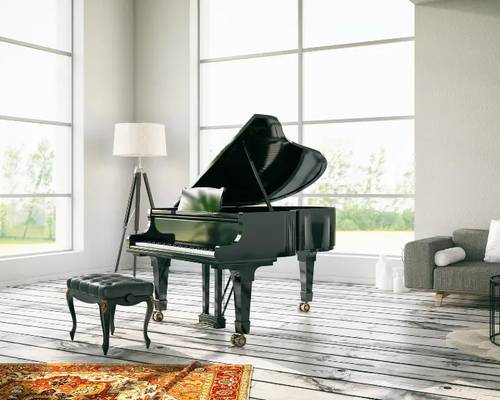
The Reason behind the Rise of Piano Learning among Mature Beginners in the world.
The world has witnessed a potent surge in piano learning among adult learners. More individuals are learning the piano later in their lives and this is due to the flexibility of digital tools, lifestyles and now people are more focused on their personal development. The article discusses the reasons why this trend is being experienced, how adult learners treat piano differently, and why this trend is transforming the contemporary culture of the piano.
Piano & Modern Skills
The reason Learning Piano Is Better than Multitasking in a Distracted World.
Piano learning is becoming an effective tool to reconnect attention and deep thinking in a day and age where we are bombarded with notifications and do not spend enough time in deep contemplation. The mental clarity ensured by years of discipline in the practice of the piano may be that which is afforded by very few activities because it demands constant focus, physical coordination and active listening. This paper discusses the connection between learning the piano and attention, the level of cognitive and mental discipline and the reason why more and more individuals are turning to the piano to overcome distraction in the modern world.
The Culture of Piano and Contemporary Music.
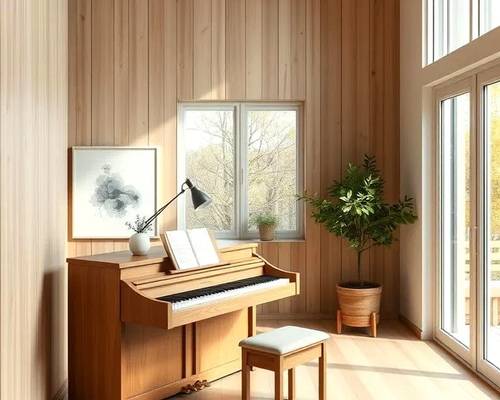
The reason why Minimalist Piano Music is becoming a sound of this decade.
The minimalist piano music has come out as one of the most effective sounds of the modern age. The style is marked by its simplicity, repetition, and restraint, and they are defining the manner in which individuals listen, create, and relate to piano music nowadays. This paper delves into the reasons behind the growth of minimalist piano in popularity all over the world, its reflection of the contemporary life, and why it is a simply a new voice of this decade.
Piano & Future Learning
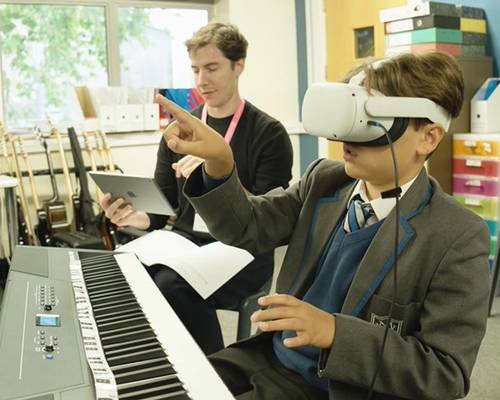
The Way AR is beginning to transform Piano Learning.
The concept of augmented reality is gradually presenting itself in the business of piano study, providing a fresh interpretation of music, technique, and practice. AR is transforming the interaction between pianists and the keyboard by combining digital guidance and physical instruments to create a new approach to playing the piano. This paper discusses the reasons behind the growing interest in augmented reality learning of piano, its functionality as well as its potential future impact on the teaching of piano.The concept of augmented reality is gradually presenting itself in the business of piano study, providing a fresh interpretation of music, technique, and practice. AR is transforming the interaction between pianists and the keyboard by combining digital guidance and physical instruments to create a new approach to playing the piano. This paper discusses the reasons behind the growing interest in augmented reality learning of piano, its functionality as well as its potential future impact on the teaching of piano.