
Piano & Modern Living
The reason why the world is learning about piano differently is because of silent piano practice.
Practicing the piano in silence has redefined the way of learning piano to live in the contemporary life. Practising can be practised to the deepest level without disturbing others with the use of digital pianos, hybrid instruments and headphones. This paper discusses the reasons why silent practice is a world wide trend, the ways that it is transforming day-to-day piano practices, and how it is re-inventing access, consistency, and confidence among the contemporary learners of the piano.
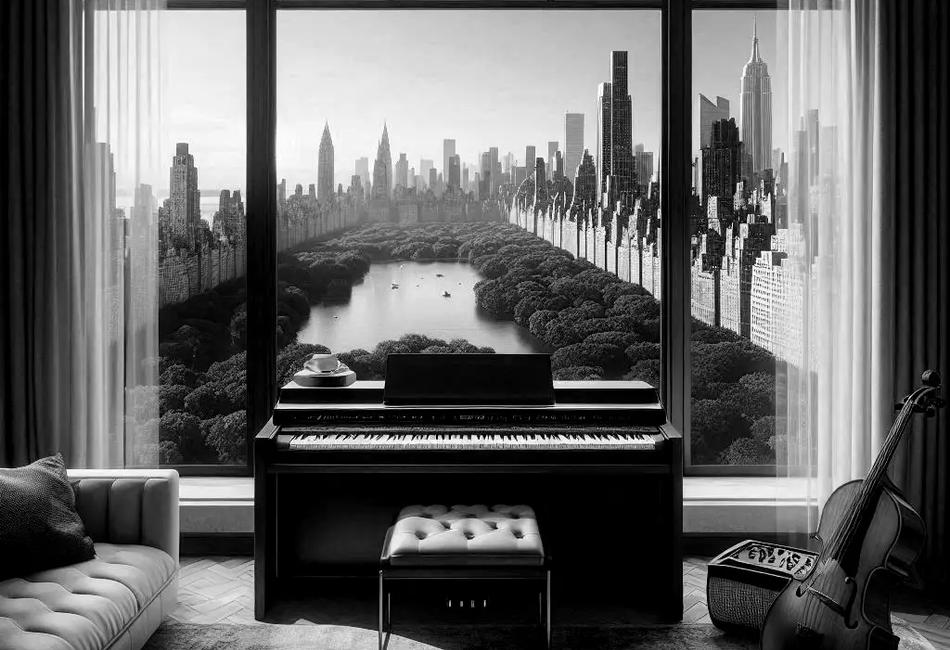
The practice of the piano was inseparable with sound since the centuries. Learning the instrument was to fill a room, a house or a whole building with music. Although this openness contributed to the development of mutual musical culture, it also restricted the opportunity of learning piano when and where it was possible. The boundaries are quickly being broken nowadays.
One of the most important modern transformations in the cultural of the piano has been made by practice of the piano in silence. The appearance of digital and hybrid pianos gives a chance to learners to practice with headphones and be engulfed in sound and at the same time be completely silent to the rest of the world. This change is not a technical one. It has transformed the type of people that learn piano, the frequency of their harp, and their confidence in their progress.
Practice as silent has taken the piano learning by storm into apartments, common homes, urban areas, and late-night habits.
The reason why the traditional practice of the piano was so restrictive
The conventional practice of using acoustic piano has been one that needs space, tolerance and timing. Students were frequently forced to practice around family dynamics, neighbors or building limitations. A large number of potential pianists would give up all learning due to a lack of the appropriate environment.
Even serious students were under tension at all times. Sessions were cut off or cancelled because of noise. Creative attention was substituted by emotional tension. The learning of the piano was negotiated and not pleasurable.
This was not based on musical ability. These were obstacles to the environment, and practice without sound eliminates them.
The Way Silent Practice became a possibility
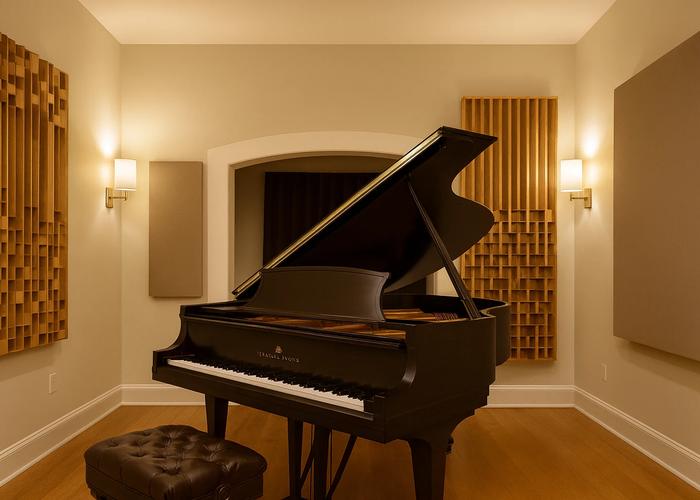
The development of digital sound sampling, the weighted key technology, and hybrid piano design made silent practice of the piano possible. The touch and the resistance of an acoustic instrument are accurately reproduced by modern digital pianos. Hybrid pianos are hybrids which have real acoustic actions, as well as digital sound output, which provides both authenticity and silence.
It is complemented by the technology of headphones. Good quality headphones can help the players to listen to all the nuances of the tone and dynamics without external sound. The surrounding environment is not disturbed as the pianist gets to be fully immersed.
This has been a combination that has fundamentally transformed the process of learning piano.
The Reason Why Silent Practice Is Right in the Contemporary Life
The contemporary living quarters are smaller and more condensed and shared than ever before. The mixed-use buildings, urban apartments, and co-living environments prevail in most of the cities. These realities are congruent with silent practice.
Pianists do not have to have the special music rooms or understanding neighbors. Exercising may occur early in the morning or at night. Learning is flexible towards life rather than in conflict with it.
This is what has made piano learning open to individuals who had felt marginalized.
The way the Practice of the Silent Type is beneficial to Consistency
Progress of piano is based on consistency. Silent practice has a drastic effect on enhancing consistency through exclusion of external constraints.
The hesitation will be eliminated when learners are made aware of the fact that they can practice any time without inconveniencing other individuals. It becomes possible to have short sessions with frequent intervals. Practicing piano does not fit into routine but makes people experience it.
This habit usually results in an accelerated development compared to practice that was constrained by time and space.
Psychological Liberty of Silent Practice
Silent practice is not just about making noise. It reduces pressure. Beginners and many learners are self-conscious when other people can listen to them practicing.
The pianist goes into a personal world with headphones. Mistakes feel safer. Exploration feels natural. The focus is no longer on performance, but on process.
This mental protection allows experimentation and a higher level of interaction with the instrument.
Why Adult Students Learn Best by Silent Practice

One of the most massive groups of people promoting the trend of silent practice is adult learners. Work, family, and joint living are some of the issues of many adults. The conventional practice schedules are not realistic.
Silent practice enables adults to regain time in terms of learning without conflict. Evenings out at work or early mornings before the day starts work make sense.
This plasticity allows in the long-term commitment and sustainability of learning the piano in adults.
The way Silent Practice Alters the Practice Mindset
Once it goes private, the motivation tends to move inward. Pianists are not practicing to be admired or feared by others, but to themselves.
This is an internal drive that enhances concentration. Through headphones, learners listen more attentively. Minor details are more prominent. More attention is paid to tone, timing and balance.
Silent practice promotes enlightened listening as opposed to acting.
The Effect of Immersion on Silent Practice
The immersion is achieved with headphones. Sound is less distant, more descriptive, and more manipulated. Pianists can pick up details that they may not hear out of the air.
This is the sensitivity to music enhanced through this immersion. There is an increased awareness of learners on dynamics, articulation, and phrasing. Practice is purposeful as opposed to mechanical.
Numerous pianists complain that they are much more aware of the music after a lengthy silent practice.
The reason why Silent Practice is not a way of reducing musical expression
There is a concern that the silent practice will remove the players to acoustical resonance. As a matter of fact, when not interacting, the practice can result in increased expression.
Since a player listens to sound and does it privately and with ease, the expressive choices are conscious. Dynamics are manipulated consciously and not intuited.
This sensitivity flows over when acoustic instruments are reverted to by pianists.
Anxiety of Silent Practice and Performance
Silent practice may help to reduce performance anxiety in the sense that it eliminates the constant exposure at the learning stages. Pianists are confident in their privacy before performing music in the open.
This slow exposure generates the feeling of security. Players believe in preparation more when the performance time comes.
When learning is secured, confidence is increased.
The Silent Practice: How It Helps in Creative Exploration
Silent environments are favourable to improvisation and experimentation. Pianists are not afraid to go exploring without being interrupted and judged.
Such creative freedom causes most learners to find new interests in music like composition, ambient playing, or improvisation.
There is no harming practice, it is a laboratory.
The reason why teachers are adopting silent practice
The silent practice is currently a popular suggestion of many piano teachers to complement the acoustic playing. It enables the students to be more active in frequency and concentration.
The teachers observe enhanced regularity and preparation. Students come with well-considered questions instead of unclear bewilderment and so the lessons are more productive.
Ritual practice complements and not substitutes conventional teaching.
The Compromise of Silent and Acoustic Practice
Although silent practice is associated with several advantages, acoustic experience is significant. The sense of natural resonance and sound projection on body develops performance skills.
Merging the two is done by most contemporary learners. The daily consistency is supported with silent practice, whereas the physical and auditory awareness is supported with acoustic sessions.
Such a balance produces balanced pianists.
The reasons why silent practice is becoming a spread of access to piano worldwide
Piano learning has been extended to areas and communities where it was formerly locked out by sound limits by silent practice. Piano education is now supported by apartments, dormitories and shared housing.
This has global implications due to its accessibility. Learning piano is no longer a privilege and a place.
The instrument is democratized through silent practice.
The Continued Silent Practice Enhancement by Technology
Due to the improvement of technology, the silent practice is becoming more realistic. Better key action, spatial audio and sound modeling make it more authentic.
The line between acoustic and silent experience should further be blurred with the further development of the future.
Technology is still being used to serve musical requirements, but not to substitute it.
The reason why Silent Practice fits the current trends in wellness is explained
The silent practice of the piano is also consistent with the culture of wellness due to the establishment of relaxed, concentrated settings. It gives the opportunity to immerse without outside pressure.
Silent practice is the practice of many pianists as a stabilizing, rather than an emotion-directing activity. The piano is not only creative but is also restorative.
This correlation makes this trend increasingly long-lasting.
The Cultural Change in the Shadow of the Practice Without Speaking
The silence of practice is indicative of a larger cultural change to flexibility, privacy and personalization. Individuals anticipate that tools are going to conform to their lives.
The expectations are in tandem with the ways in which piano is being learned. Silent practice does not impose on people but allows them to follow their own rhythm.
This cultural orientation guarantees further growth.
The reasoning behind why Silent Practice is not a fad
Novelty is not a motivating force behind silent practice of piano. It solves real problems. Silent practice is still pertinent as living conditions are still congested and timetables are still complicated.
Its advantages get more and more effective with time and enhance the uniformity, self-confidence and musical richness.
Necessary trends are here to stay.
Piano Learning in a Silent World
Piano education will still be influenced by silent practice. The learning process will be more adaptable, accommodating and individual.
Acoustic tradition is not to be abolished, yet silent practice will be a part and parcel of modern musicianship.
The future of the piano is not less noisome. It is more accessible.
Conclusion
Silent practice of the piano has transformed the manner in which, when and who learns the piano. It has opened access by breaking noise barriers, enhancing consistency, and employee emotional safety in learning.
This tendency is characteristic of the contemporary reality without undermining the musical content. Even when played silently, the piano is still expressive, powerful, and human.
Practice in silence has not taken away the voice of the piano. It has enabled a larger number of persons to locate it.
More from the blog
Keep exploring new ideas
Piano: Psychological Development.
How Piano Learning Improves Memory Over Time
The process of learning, adaptation, and growth of people is mainly driven by memory. Learning Piano has emerged as one of the effective techniques of memory reinforcement via formal repetition, auditory, coordination and recalling over time. This article discusses the process by which practicing piano develops various forms of memory, reasons why these advantages become increasingly more effective, and how the benefits of learning a piano help to retain in the minds of non-musical areas.
Piano & Skill Development
How Piano Practice Builds Consistency and Self-Discipline
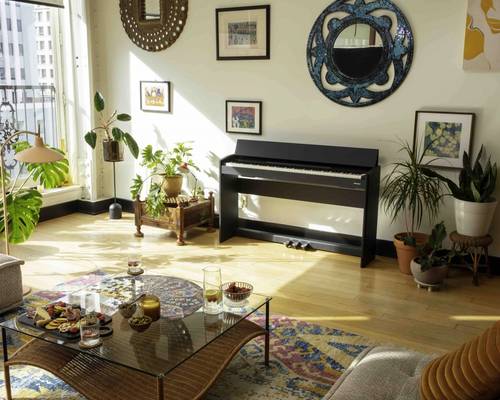
Self-discipline and consistency are crucial personal qualities in the contemporary life but are becoming more challenging to master. The learning of piano provides a natural and effective method of developing both in a structured form of learning, in a progressive manner and through long term commitment. This paper will examine how practice in the piano will develop the consistency over the time, why the self-discipline will develop naturally at the instrument and the applicability of these abilities far beyond music in the life.
Piano & Lifelong Learning
The Reason behind the Rise of Piano Learning among Mature Beginners in the world.
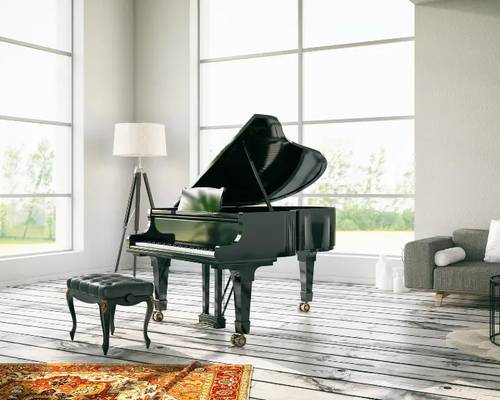
The world has witnessed a potent surge in piano learning among adult learners. More individuals are learning the piano later in their lives and this is due to the flexibility of digital tools, lifestyles and now people are more focused on their personal development. The article discusses the reasons why this trend is being experienced, how adult learners treat piano differently, and why this trend is transforming the contemporary culture of the piano.
Piano & Modern Skills
The reason Learning Piano Is Better than Multitasking in a Distracted World.
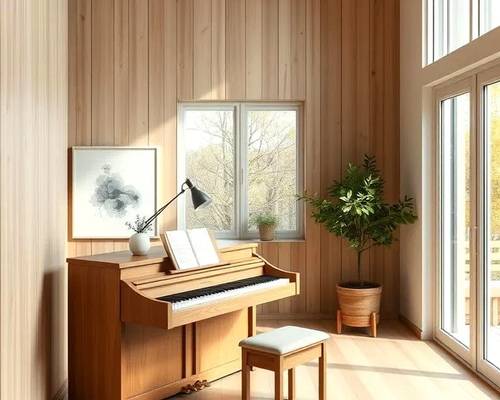
Piano learning is becoming an effective tool to reconnect attention and deep thinking in a day and age where we are bombarded with notifications and do not spend enough time in deep contemplation. The mental clarity ensured by years of discipline in the practice of the piano may be that which is afforded by very few activities because it demands constant focus, physical coordination and active listening. This paper discusses the connection between learning the piano and attention, the level of cognitive and mental discipline and the reason why more and more individuals are turning to the piano to overcome distraction in the modern world.
The Culture of Piano and Contemporary Music.
The reason why Minimalist Piano Music is becoming a sound of this decade.
The minimalist piano music has come out as one of the most effective sounds of the modern age. The style is marked by its simplicity, repetition, and restraint, and they are defining the manner in which individuals listen, create, and relate to piano music nowadays. This paper delves into the reasons behind the growth of minimalist piano in popularity all over the world, its reflection of the contemporary life, and why it is a simply a new voice of this decade.
Piano & Future Learning
The Way AR is beginning to transform Piano Learning.
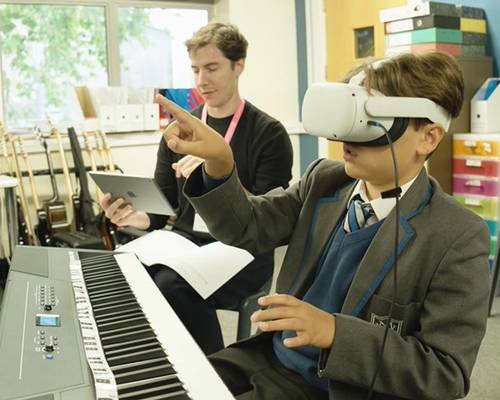
The concept of augmented reality is gradually presenting itself in the business of piano study, providing a fresh interpretation of music, technique, and practice. AR is transforming the interaction between pianists and the keyboard by combining digital guidance and physical instruments to create a new approach to playing the piano. This paper discusses the reasons behind the growing interest in augmented reality learning of piano, its functionality as well as its potential future impact on the teaching of piano.The concept of augmented reality is gradually presenting itself in the business of piano study, providing a fresh interpretation of music, technique, and practice. AR is transforming the interaction between pianists and the keyboard by combining digital guidance and physical instruments to create a new approach to playing the piano. This paper discusses the reasons behind the growing interest in augmented reality learning of piano, its functionality as well as its potential future impact on the teaching of piano.