
Piano & Everyday Performance
The way Learning Piano Enhances Co-ordination, Timing and Mental Control.
Time and coordination are two skills that determine the movement, thought process and actions of people in daily life. Piano education enhances these skills through accurate physical performance in conjunction with accurate listening and concentration. In this article, the author examines the way learning piano develops and improves coordination, timing, and controlled attention which generates far more benefits than music itself in every-day life and in the overall performance of individuals in the long term.

Most of the activities in daily life are based on coordination and timing, typing and driving as well as problem-solving and communication. These competencees tend to be in the background and they are never detected until they start to fail. In the hectic-world where people multitask or hurry up with their habits, coordination and timing may deteriorate slowly.
Learning piano is a good method of developing these skills in a systematic and quantifiable manner. To play the piano, hands, eyes, ears and mind need to be precise in their collaboration. All notes are timed, positioned, and controlled. The errors are recorded instantly and awareness is inevitable.
Piano learning is a training ground to the co-ordinated motion and mental control through constant practicing. These do not stop being applied to music. They affect the way of movement, concentration and reaction of people in their every life.
The Reason Co-ordination and Timing are of More Importance than ever before
Contemporary life promotes haste and fails to pay much attention to accuracy. There are numerous activities that are done fast, yet not necessarily considered. In the long run, such a trend may lead to decreased timing and coordination sensitivity.
Coordination helps in carrying out several things in a smooth manner. It is timing when those actions are to be taken. In the absence of either, performance would be ineffective or haphazard.
Activities which require conscious coordination will aid in rebuilding these competencies. This is best achieved by learning the piano since it is a program that involves physical and mental processes that are continually integrated.
The reasons why Piano Learning Requires Co-ordinated Movement
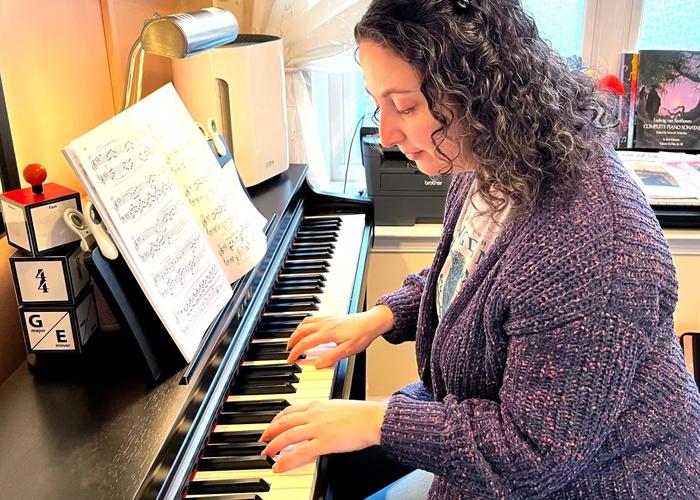
Piano playing takes both the hands of the person but they must move separately but coordinated. The hands tend to use various patterns with varying rhythms and movements.
This autonomy undermines coordination at once. Students have to exercise one hand at a time and then coordinate them well. Gradually, movements are more fluid and are more controlled.
This process enhances neural connections that facilitate coordination, which enhances the use of intricate physical activities.
The Interaction between Timing and Control
Time in the piano is not a choice. Early or late playing is disruptive to rhythm and balance. The problem of timing inaccuracy is noticed fast, and learners are notified by it immediately through sound.
Timing has to be developed with inner rhythm and control. Students start expecting rhythms and not responding to them.
This expectation enhances the psychological restraint. Deeds become deliberate as opposed to spontaneous.
Why Piano Learning Tunes the Rhythm of the Inside
The capacity to keep constant time without external indication is known as internal rhythm. The acquisition of piano acquires this ability by rote and listening.
Students count, pulse and regulate automatically. Gradually rhythm is experienced instead of being reckoned out.
This rhythmic process helps to provide timing accuracy of musical and non-musical tasks.
The role of Listening in Enhancing Physical Coordination
Coordination at the piano is mainly centered on listening. There is a balance of hands, clarity of notes and timing consistency which learners listen to.
This listening is movement directing. There is no habit-only response during sound feedback between hands.
Listening and movement is a relationship that enhances coordination by way of awareness and not coercion.
The reason Piano Learning Teaches the Brain to Process Multiple Inputs
The playing of the piano entails the multi-process processing of various streams of information in parallel. Students follow the patterns of hand movements, broadcasting patterns, and hearing sounds simultaneously.
The control of these inputs enhances cognitive control. The brain is taught to prioritize and to assimilate information effectively.
This ability is applied in real life where one has to be accurate when multi tasking and not fast.
Having Precision in the Practice of Piano
Accuracy in playing the piano means playing with the right timing, using the right movement, and being accurate. Minor differences create audible differences.
Students are made sensitive to detail. Their finger positioning, hand form, and movement is conscious.
Such propensity to exactness improves fineness and intentionality.
The Development of Bilateral Coordination through Piano Learning
Bilateral coordination entails bilateral use of both body sides. This skill is trained by learning piano.
Both hands do dissimilar moves in keeping rhythmically in sync. This equilibrium enhances inter-brain hemisphere communication.
Better bilateral co-ordination helps provide balance, dexterity and spatial awareness.
Why Slowness in Practice is Beneficial to Control
Coordination needs to be practiced slowly. Slowing down will enable the learners to see movement and timing better.
Slow practice helps the learners rectify inefficiencies and develop control. The natural progression of speed is the stabilization of coordination.
This method drives the importance of accuracy instead of expedience.
The way Timing is enhanced by Repetition
The timing is enhanced by repetitions of actions with a focus. Practicing with piano offers some form of regular rehearsal, which helps to establish the right timing.
With every repetition, neural mechanisms of rhythm and movement get reinforced.
With time, timing will be predictable and dependable.
Why Piano Learning Motivates Anticipation and not Reaction
Successful coordination relies on foresight. Piano students train the movements beforehand and do not respond to them in time.
This expectation enhances movement and minimization of stress. The deeds become more confident and comfortable.
In most situations, anticipatory thinking advocates an effective performance.
The Effect of Co-ordination on Confidence
The coordination enhances confidence since actions become regulated. Learners rely on their skills in performing movements correctly at the piano.
This trust eliminates indecisiveness and favour expressive playing.
The trust earned by means of coordination usually manifests itself in other spheres of life.
The Effect Piano Learning has on Fine Motor Skills
Fine motor skills entail the fineness of movement of fingers and hands. Learning piano nurtures the skills by controlling the finger movements.
Students enhance the precision and accuracy of every finger. Fashion is perfected and cost effective.
These enhancements aid the activities that involve dexterity and control.
The reason why Piano Learning Improves Focused Movement
The playing of the piano entails deliberate action. Every action has a purpose that is associated with sound and timing.
Such deliberate movement minimizes unwarranted movement. Students get more productive and conscious of their actions.
Concentrated movement helps in physical coordination as well as mental sharpness.
The effects of Coordination and Timing on Expression
Piano is an expression, which is based on control. Phrasing is determined by timing, and sound quality is determined by coordination.
With better coordination, there is an increase in expressive possibilities. Instead of learning how to do it, learners have the ability to form sound in an intentional manner.
The expression is dependable instead of accidental.
The reasons why Piano Learning provides a lessening effect on physical tension
Lack of coordination is a source of tension. Piano teaching promotes easy motion with the controlled practice.
Students learn that it sounds better when it is easy. Stress gets in the way of time and precision.
Such consciousness encourages easy coordination.
The Portability of Coordination Skills out of Music
The skills of coordination that are acquired at the piano tend to be applied for in everyday life. There is a smoother and more controlled feel of movements.
Students get to be more conscious of time and sequence in daily activities.
The piano practice is practice of the coordinated living.
How Mental Control aids Physical Co-ordination
Physical action is guided by the mind. This relationship is enhanced by learning Piano with regard to attention and repetition.
Students facilitate movement within conscious awareness and make it automatic.
This is what creates trusted co-ordination.
The Importance of the Practice in Co-ordination
As practice increases so does coordination. The learning of piano is rewarded with consistency.
The practice gaps render the coordination less stable whereas the regular engagement reinforces control.
This commentary strengthens the discipline practices.
The Role of Patience in the Timing Development
Timing develops gradually. Patience in learning piano is acquired by way of gradual progress.
Students learn to embrace the fact that they gain accuracy with time and not immediately.
Sustainable coordination is backed by patience.
The reason why Piano Learning promotes Balance
Balance means equal distribution of effort. Learning the piano ensures that there is harmony between hands, sound, and timing.
Strain is decreased and control is enhanced through this balance.
Moderate coordination helps in the long-term advancement.
How Piano Learning Grants Performance Preparedness
Performance readiness refers to the process of performing tasks under scrutiny. This preparedness is trained by piano learning using repetition and control.
Students train psychologically and physically prior to playing.
This preparedness facilitates assured performance.
The reason why coordination promotes clarity of mind
Movement coordination decreases the cognitive load. The brain is more clear when there is a continuous flow of actions.
The flow is enhanced by learning piano through practice.
Mental clarity enhances because co-ordination stabilizes.
The Cultural Significance of Co-ordinated Capabilities
In difficult settings, organizational coordination and timing are useful in promoting performance. This cultural need is provided by learning about piano.
It increases accuracy and regulation of a fragmented world.
This topicality serves as an argument in its further rise.
Why Piano Is Uniquely Effective as a Training of Co-ordination
There is a harmony between rhythm and movement and listening in the piano. Such integration is a challenge to coordination.
There are actually not many activities that have such direct and instant feedback.
The tool is still a perfect instrument of development of coordination.
Long-lasting Effect on Physical and Mental Performance
Piano education alters movement patterns and attention patterns with time. Students are made more precise and constrained.
Such changes facilitate performance in most spheres of life.
The effects are slow but long-term.
Why Coordination and Timing Will Continue to be important Skills
The more complicated the tasks are, the greater the necessity to coordinate the tasks with precision. Piano teaching helps to learn these skills on the long run.
The advantages of it are not limited to music in everyday life.
This is the guarantee of the relevance in the long term.
Conclusion
Practising piano enhances coordination, time and mental control due to coordination, listening and concentration incorporated in one movement. Every workout becomes more perfect in physical terms and rhythmic in the body.
These enhancements do not only limit to music, but also affect the way people move, think, and work in real life. Learning of piano is not in a hurry. It develops domination steadily and consistently.
Piano learning brings back sanity in a world that tends to be more fast than precise by means of coordination and timing as well as prudent action.
More from the blog
Keep exploring new ideas
Piano: Psychological Development.
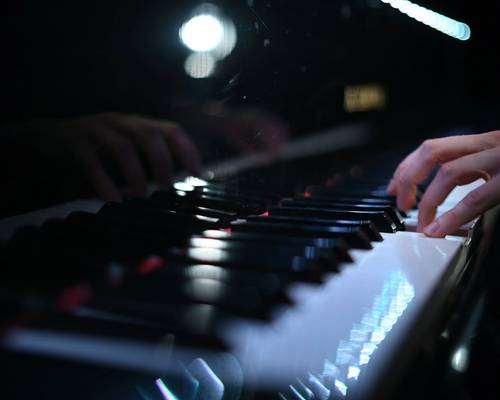
How Piano Learning Improves Memory Over Time
The process of learning, adaptation, and growth of people is mainly driven by memory. Learning Piano has emerged as one of the effective techniques of memory reinforcement via formal repetition, auditory, coordination and recalling over time. This article discusses the process by which practicing piano develops various forms of memory, reasons why these advantages become increasingly more effective, and how the benefits of learning a piano help to retain in the minds of non-musical areas.
Piano & Skill Development
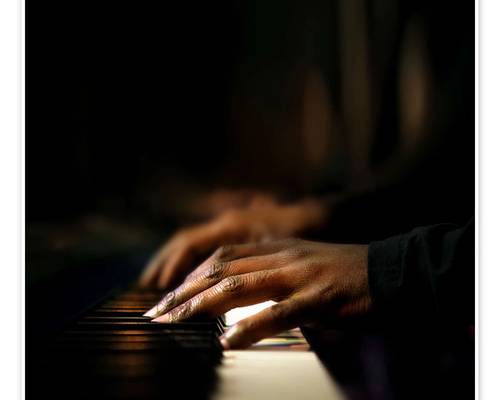
How Piano Practice Builds Consistency and Self-Discipline
Self-discipline and consistency are crucial personal qualities in the contemporary life but are becoming more challenging to master. The learning of piano provides a natural and effective method of developing both in a structured form of learning, in a progressive manner and through long term commitment. This paper will examine how practice in the piano will develop the consistency over the time, why the self-discipline will develop naturally at the instrument and the applicability of these abilities far beyond music in the life.
Piano & Lifelong Learning
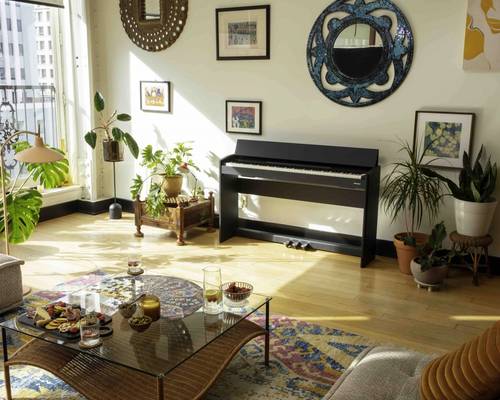
The Reason behind the Rise of Piano Learning among Mature Beginners in the world.
The world has witnessed a potent surge in piano learning among adult learners. More individuals are learning the piano later in their lives and this is due to the flexibility of digital tools, lifestyles and now people are more focused on their personal development. The article discusses the reasons why this trend is being experienced, how adult learners treat piano differently, and why this trend is transforming the contemporary culture of the piano.
Piano & Modern Skills
The reason Learning Piano Is Better than Multitasking in a Distracted World.
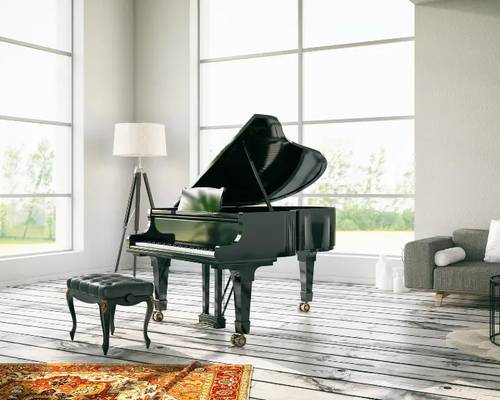
Piano learning is becoming an effective tool to reconnect attention and deep thinking in a day and age where we are bombarded with notifications and do not spend enough time in deep contemplation. The mental clarity ensured by years of discipline in the practice of the piano may be that which is afforded by very few activities because it demands constant focus, physical coordination and active listening. This paper discusses the connection between learning the piano and attention, the level of cognitive and mental discipline and the reason why more and more individuals are turning to the piano to overcome distraction in the modern world.
The Culture of Piano and Contemporary Music.
The reason why Minimalist Piano Music is becoming a sound of this decade.
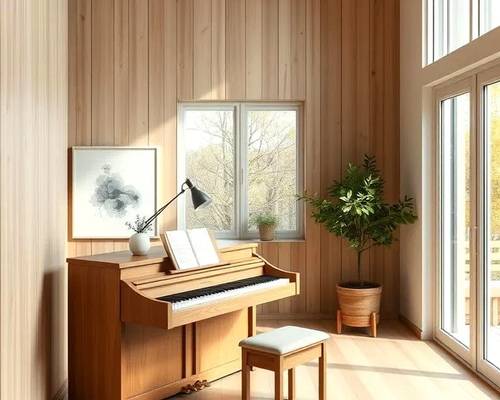
The minimalist piano music has come out as one of the most effective sounds of the modern age. The style is marked by its simplicity, repetition, and restraint, and they are defining the manner in which individuals listen, create, and relate to piano music nowadays. This paper delves into the reasons behind the growth of minimalist piano in popularity all over the world, its reflection of the contemporary life, and why it is a simply a new voice of this decade.
Piano & Future Learning
The Way AR is beginning to transform Piano Learning.
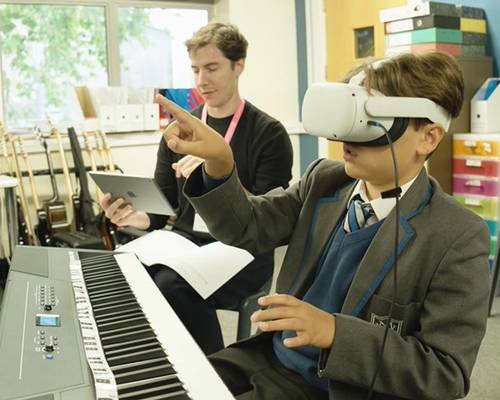
The concept of augmented reality is gradually presenting itself in the business of piano study, providing a fresh interpretation of music, technique, and practice. AR is transforming the interaction between pianists and the keyboard by combining digital guidance and physical instruments to create a new approach to playing the piano. This paper discusses the reasons behind the growing interest in augmented reality learning of piano, its functionality as well as its potential future impact on the teaching of piano.The concept of augmented reality is gradually presenting itself in the business of piano study, providing a fresh interpretation of music, technique, and practice. AR is transforming the interaction between pianists and the keyboard by combining digital guidance and physical instruments to create a new approach to playing the piano. This paper discusses the reasons behind the growing interest in augmented reality learning of piano, its functionality as well as its potential future impact on the teaching of piano.