
Piano Science
Why Learning Piano Makes You Smarter: the Science of Musical Intelligence.
Learn about how learning to play the piano reassigns the brain, improves intelligence, memory and problem solving. This article is supported by findings of scientific research and it provides an explanation of why the piano happens to be one of the most effective tools of cognitive development at any age.

Music has been identified to be linked with creativity, expression of feelings and entertainment. However, scientific studies indicate something more interesting: the learning of the piano actually alters the brain in things that are unbelievable. Enhancement of memory to enhancement of problem solving ability is only a few among the many advantages of piano training as a catalyst to cognitive development.
This is the reason why lots of schools, universities, and scientists refer to piano as one of the most efficient brain-training exercises in the world.
The Brain Works Harder When You Play Piano
In this case when a person plays the piano, several sections of the brain work simultaneously. This develops more robust neural connections and long term development in cognitive potentials.
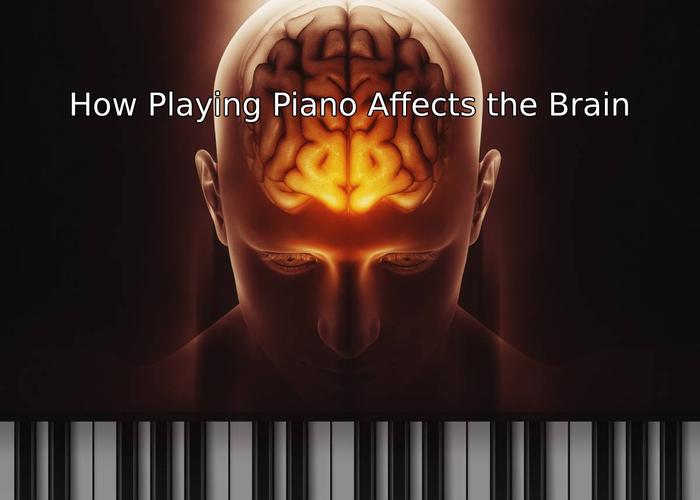
Piano engages:
- The listening auditory cortex.
- The finger movement motor cortex.
- The music reading part of the visual cortex.
- Coordination of both hemispheres.
- Pattern storing memory centres.
This renders piano as one of the most rewarding and mind consuming activities.
Enhanced Recollection and Learning rate.
Individuals with piano learning also tend to have an enhanced memory and have a higher capacity to acquire new skills more quickly than those without the benefit of learning the piano.
Why?
Piano enhances the working memory, which is a section of the brain.
responsible for:
- Remembering instructions
- Learning new information
- Solving problems
- Focusing for longer periods
This advantage is seen in children and adults, therefore making piano a life long brain booster.
Improved Critical and Analytical Thinking and Problem-Solving.
The skill of playing piano demands the analysis of patterns, forecasting variation, and error correction during play. This develops rational and critical thinking.
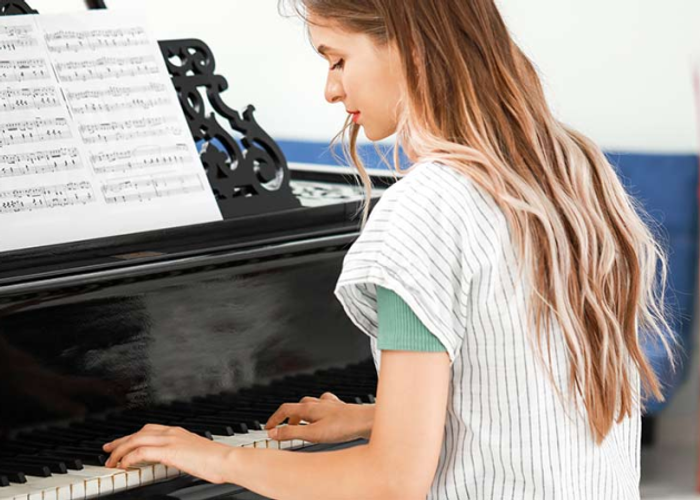
The studies indicate that piano students tend to:
- Think more creatively
- Work out issues more effectively.
- Better situational analysis.
It is the reason why most of the high-achieving students, as well as professionals, are usually musically inclined.
Increased Emotional Intelligence.
Music is not an intellectual matter all the time, but it builds the emotional knowledge as well.
Piano players tend to:
- Be more observant of emotions.
- Be more expressive.
- Develop higher empathy
It is emotional intelligence ensuring better communication, relationships, and mental state.
Better Focus and Discipline
When one plays piano, the brain is trained to be more focused over a long period of time. Over time, this increases:
- Concentration
- Discipline
- Patience
- Attention to detail
These are skills useful to me in music and academics as well as in the work place.
Conclusion
To learn the piano is not just to learn how to play the piano. It changes the brain, enhances cognitive ability, sharpens emotional intelligence, and enhances problem-solving skills. The piano is one of the most effective instruments in the cognitive development of children who are building academic skills and the adults who need to have mental sharpness.
More from the blog
Keep exploring new ideas
Piano: Psychological Development.
How Piano Learning Improves Memory Over Time
The process of learning, adaptation, and growth of people is mainly driven by memory. Learning Piano has emerged as one of the effective techniques of memory reinforcement via formal repetition, auditory, coordination and recalling over time. This article discusses the process by which practicing piano develops various forms of memory, reasons why these advantages become increasingly more effective, and how the benefits of learning a piano help to retain in the minds of non-musical areas.

Piano & Skill Development
How Piano Practice Builds Consistency and Self-Discipline
Self-discipline and consistency are crucial personal qualities in the contemporary life but are becoming more challenging to master. The learning of piano provides a natural and effective method of developing both in a structured form of learning, in a progressive manner and through long term commitment. This paper will examine how practice in the piano will develop the consistency over the time, why the self-discipline will develop naturally at the instrument and the applicability of these abilities far beyond music in the life.

Piano & Lifelong Learning
The Reason behind the Rise of Piano Learning among Mature Beginners in the world.
The world has witnessed a potent surge in piano learning among adult learners. More individuals are learning the piano later in their lives and this is due to the flexibility of digital tools, lifestyles and now people are more focused on their personal development. The article discusses the reasons why this trend is being experienced, how adult learners treat piano differently, and why this trend is transforming the contemporary culture of the piano.
Piano & Modern Skills
The reason Learning Piano Is Better than Multitasking in a Distracted World.
Piano learning is becoming an effective tool to reconnect attention and deep thinking in a day and age where we are bombarded with notifications and do not spend enough time in deep contemplation. The mental clarity ensured by years of discipline in the practice of the piano may be that which is afforded by very few activities because it demands constant focus, physical coordination and active listening. This paper discusses the connection between learning the piano and attention, the level of cognitive and mental discipline and the reason why more and more individuals are turning to the piano to overcome distraction in the modern world.

The Culture of Piano and Contemporary Music.
The reason why Minimalist Piano Music is becoming a sound of this decade.
The minimalist piano music has come out as one of the most effective sounds of the modern age. The style is marked by its simplicity, repetition, and restraint, and they are defining the manner in which individuals listen, create, and relate to piano music nowadays. This paper delves into the reasons behind the growth of minimalist piano in popularity all over the world, its reflection of the contemporary life, and why it is a simply a new voice of this decade.
Piano & Future Learning
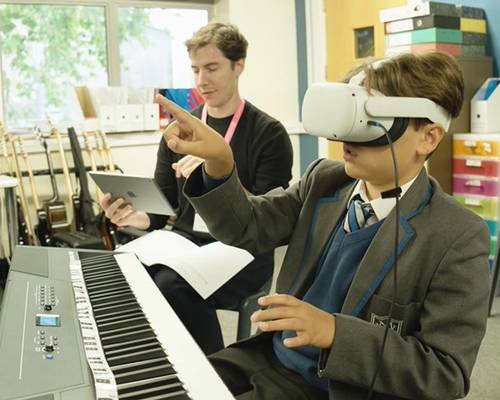
The Way AR is beginning to transform Piano Learning.
The concept of augmented reality is gradually presenting itself in the business of piano study, providing a fresh interpretation of music, technique, and practice. AR is transforming the interaction between pianists and the keyboard by combining digital guidance and physical instruments to create a new approach to playing the piano. This paper discusses the reasons behind the growing interest in augmented reality learning of piano, its functionality as well as its potential future impact on the teaching of piano.The concept of augmented reality is gradually presenting itself in the business of piano study, providing a fresh interpretation of music, technique, and practice. AR is transforming the interaction between pianists and the keyboard by combining digital guidance and physical instruments to create a new approach to playing the piano. This paper discusses the reasons behind the growing interest in augmented reality learning of piano, its functionality as well as its potential future impact on the teaching of piano.