
Online Piano Learning
Why Piano Music Holds a Unique Place in Human Emotions and Culture
Piano music has a unique ability to express human emotion without words. Through melody, silence, and touch, it connects deeply with memory, feeling, and personal experience. This article explores why piano music continues to hold emotional power across cultures, generations, and modern life.
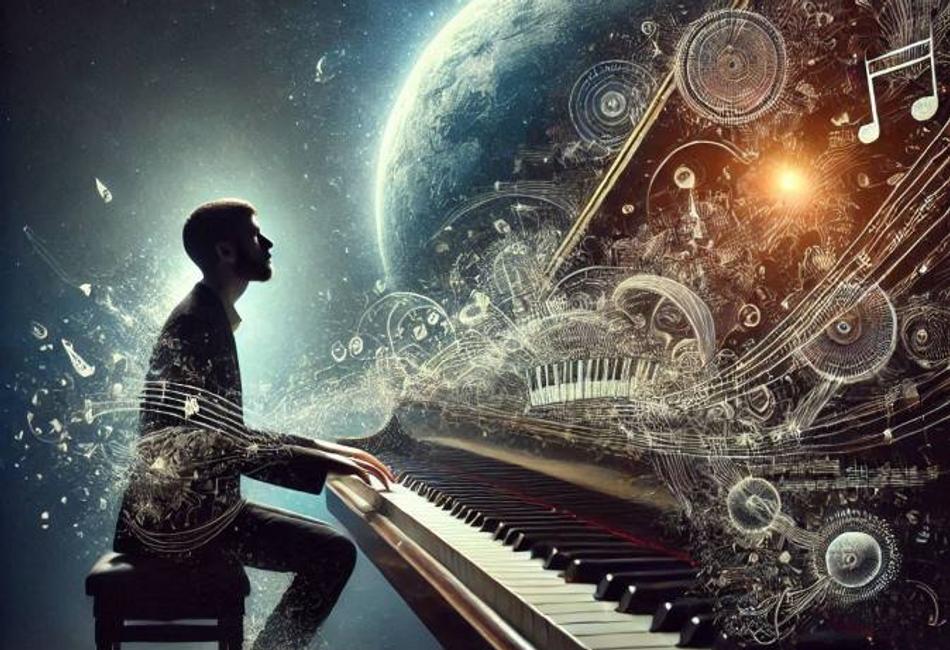
The lasting emotional effect of a piano music is infrequent and long-term, which few other instruments have. The piano is clearly associated with the human sentiment across centuries, cultures, and generations. Piano music can also seem intimate, philosophical and emotionally sincere, whether you are listening in a concert hall, a small living room or with a pair of headphones at night.
Contrary to music that is much more lyrical or electronic in production, a piano music conveys itself in the form of tone, space, and timing. It gives the freedom to the listeners and attribute meaning to what they are listening to, and thus each experience is very personal. It is because of this emotional openness that the piano music remains so close in the modern life in spite of the unceasing change in musical trends.
The Piano and the Emotional Language
Piano can be used to convey a broad spectrum of emotions with one instrument. Smooth, low tunes can be used to convey a sense of calmness and longing or vulnerability, whereas louder tunes can be used to express urgency, joy, or inner turmoil. This is the power to change mood in a few seconds which makes piano music living and human.
The directness of piano music is the thing that makes it particularly strong. The sound is instant when a pianist touches a key. There is no obstacle between the intention and expression. This immediate correspondence between touch and sound is the way that human beings perceive emotion instant and truthful.
Due to this, piano music seems like a heart-to-heart talk and not a performance.
The personalization of Piano Music to the Hearer
Piano music hardly informs the listeners how to feel. Rather, it leaves room to emotion. The lack of lyrics to interpret it leaves the listeners with the projection of their experience onto the music. One melody may be an assurance of something to one individual, and tragedy to another, based on the mood.
This openness is what enables piano music to get extremely intimate. Throughout the years, individuals learn to attach certain pieces of piano music with the memories, moments and feelings in their own lives. A well-known sequence can make a person recollect childhood, loneliness, or self-development.
Through this, piano music will form a part of emotional history of a person.
The Relationship between Piano Music and Memory
The neuroscience proves that music and memory are interconnected, and the piano music is particularly effective to stimulate the ability to recall anything emotionally. Since piano music is played in moments of reflection, when one is studying, thinking, relaxing, this causes it to be linked with those conditions and not just events.
When some known piano music is being played, the brain is likely to revive the emotions experienced on previous occasions in relation to the same tone. This is the reason why even after many years, piano music can be a form of nostalgia.
Memory is also formed clearly due to simplicity of the piano. The melody is not underlined by the overwhelming layers, it still is clearly audible, and the emotional associations do not fade.
Why Piano Music Feels Honest
Production may conceal flaws in many styles of music. Piano music particularly solo piano does not admit of much concealment. All pauses, hesitations, and dynamics shifts can be heard. Here is the weakness that makes piano music so sincere as perceived by listeners.
It seems that a person is disclosing something personal when he is playing piano. This feeling of authenticity is often conveyed in even the recorded piano music. The notes are accompanied by the feeling, which makes the listeners feel the sincerity of the music, not a pre-created one.
Such candor creates confidence between the music and the audience, enhancing emotional appeal.
The Role of Silence and Space
One of the strongest things in the piano music is silence. The breaks in between the notes give the emotion time to rest and take a breath. These silent parts allow the listeners to take pause and the music does not rush through, but seems to think about something.
The piano compositions do not always fill in gaps purposefully as does when the music is heavily layered. These areas bring about anticipation and depth. Silence is also incorporated as part of the emotional message and it helps to intensify the impression of the music speaking softly and not screaming.
It is one of the reasons why piano music can be considered emotionally mature and relaxing.
Film and storytelling The use of piano music
Piano music has turned out to be the foundation of emotional narrative in movies and other visual media. Piano melodies are often employed by the directors to portray vulnerability, reflection or emotional turning points. The instrument does not dominate the story.
The emotional mood of a scene can be immediately created by a simple piano theme, which helps viewers to get better acquainted with characters and plots. Since piano music is human and individual, it makes it more real-life.
Audience has over the years been conditioned to associate piano sounds with genuineness, thus making it even more emotionally effective in narration.
The role of the Piano in the contemporary life
Nowadays, people live in a high-paced environment where a piano song can symbolize peace and harmony. Most individuals listen to piano music when they are working, learning or taking a rest since they help them focus without being distracted. It does not intrude, enhancing mood and allowing one to be clear.
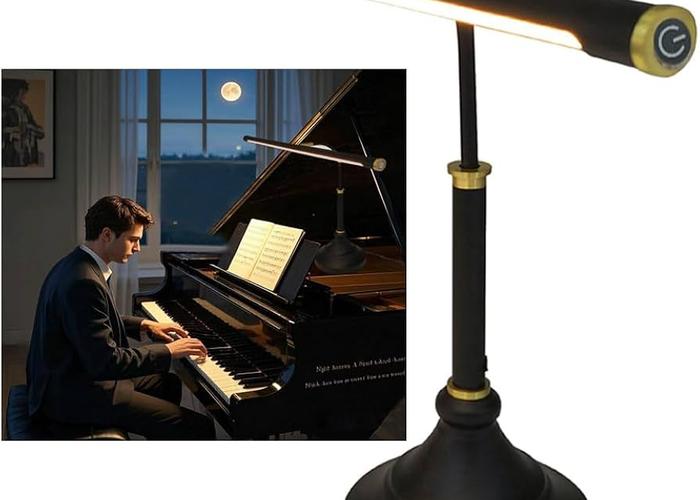
Piano music is easily adjusted to contemporary behavior. Depending on needs of the listener, it can be the background music or the focus of attention. The flexibility allows the piano music to be relevant in the digital domain, streaming, and at the personal level.
Even the brief piano pieces may provide emotional roots in hectic or stressful situations.
What Makes People be attracted to playing the Piano
A lot of individuals get attracted to the piano not to create an exposition but as emotional outlet. Playing the piano enables one to work through his emotions using music instead of words. It becomes a personal emotional release, it is a meditative practice to others.
The physical quality of the piano pressing keys and instant feedback provides a very strong emotional feedback loop. This relation between the physical motion and emotion expression makes playing the piano very fulfilling.
Even amateurs usually record emotional satisfaction way prior to technical prowess.
The Immanence of Piano Music
Universality is one of the greatest features of the piano music. It is not based on language, culture or common background. The listeners in the world can emotionally perceive the piano melody.
This generality makes the piano music a common language of emotion. It unites the individuals with shared emotions of longing, peace, joy, and reflection. The sound can be associated with a certain emotional message and thus related to it despite the origin by listeners.
This common sense renders piano music as everlasting and intercultural.
Piano Music and Emotional Healing
Piano music is also applied in therapeutic and healing settings. Its foreseeable form and soft tunes contribute to controlling the emotional conditions. Piano music is useful to many people whenever a person is stressed, grieving or exhausted emotionally.
The monotonic beat and the harmonious composition bring the feeling of security and control. Piano music has been shown to slow down breathing, decrease anxiety and enhance emotional stability.
Due to this fact, the use of piano music has become highly popular in mental health areas, wellness programs, and self-care environments.
The reasons Piano Music Still Matters
Piano music is still emotional despite the changes in technology and change of musical styles. Its directness, sincerity and expressiveness makes it flexible enough to fit into any other context without loss of meaning.
The piano does not follow the fads. Rather, it is a matter of human emotion in its purest state. This classic challenge makes it possible that the piano music will remain relevant to the listeners of the future generations.
Conclusion
Piano music has the special status in human emotionality and culture as it appeals to the inner world. It conveys feelings which cannot be easily expressed in words through its emotional scope, sincerity, silence and generality.
Piano music is a silent companion to a busy and fast world that is very noisy, providing one with a moment to reflect, find comfort, and clarity of emotions. It is still heard or heard as it is played; it still reminds us of the richness and loveliness of human feeling.
More from the blog
Keep exploring new ideas
Piano: Psychological Development.
How Piano Learning Improves Memory Over Time
The process of learning, adaptation, and growth of people is mainly driven by memory. Learning Piano has emerged as one of the effective techniques of memory reinforcement via formal repetition, auditory, coordination and recalling over time. This article discusses the process by which practicing piano develops various forms of memory, reasons why these advantages become increasingly more effective, and how the benefits of learning a piano help to retain in the minds of non-musical areas.
Piano & Skill Development
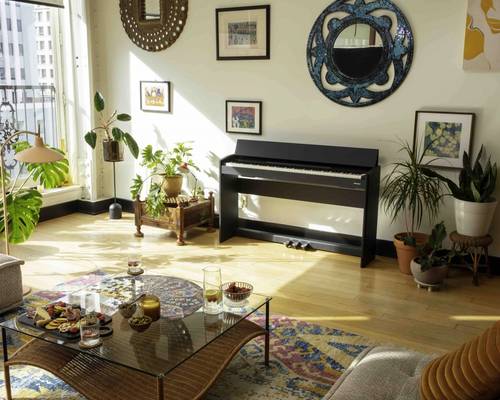
How Piano Practice Builds Consistency and Self-Discipline
Self-discipline and consistency are crucial personal qualities in the contemporary life but are becoming more challenging to master. The learning of piano provides a natural and effective method of developing both in a structured form of learning, in a progressive manner and through long term commitment. This paper will examine how practice in the piano will develop the consistency over the time, why the self-discipline will develop naturally at the instrument and the applicability of these abilities far beyond music in the life.
Piano & Lifelong Learning
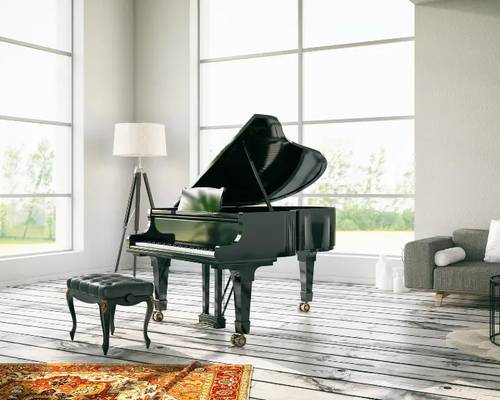
The Reason behind the Rise of Piano Learning among Mature Beginners in the world.
The world has witnessed a potent surge in piano learning among adult learners. More individuals are learning the piano later in their lives and this is due to the flexibility of digital tools, lifestyles and now people are more focused on their personal development. The article discusses the reasons why this trend is being experienced, how adult learners treat piano differently, and why this trend is transforming the contemporary culture of the piano.
Piano & Modern Skills
The reason Learning Piano Is Better than Multitasking in a Distracted World.
Piano learning is becoming an effective tool to reconnect attention and deep thinking in a day and age where we are bombarded with notifications and do not spend enough time in deep contemplation. The mental clarity ensured by years of discipline in the practice of the piano may be that which is afforded by very few activities because it demands constant focus, physical coordination and active listening. This paper discusses the connection between learning the piano and attention, the level of cognitive and mental discipline and the reason why more and more individuals are turning to the piano to overcome distraction in the modern world.
The Culture of Piano and Contemporary Music.
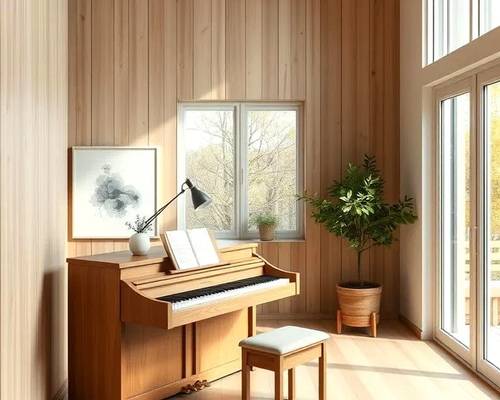
The reason why Minimalist Piano Music is becoming a sound of this decade.
The minimalist piano music has come out as one of the most effective sounds of the modern age. The style is marked by its simplicity, repetition, and restraint, and they are defining the manner in which individuals listen, create, and relate to piano music nowadays. This paper delves into the reasons behind the growth of minimalist piano in popularity all over the world, its reflection of the contemporary life, and why it is a simply a new voice of this decade.
Piano & Future Learning
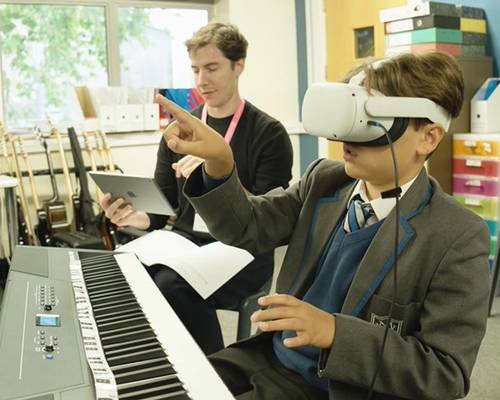
The Way AR is beginning to transform Piano Learning.
The concept of augmented reality is gradually presenting itself in the business of piano study, providing a fresh interpretation of music, technique, and practice. AR is transforming the interaction between pianists and the keyboard by combining digital guidance and physical instruments to create a new approach to playing the piano. This paper discusses the reasons behind the growing interest in augmented reality learning of piano, its functionality as well as its potential future impact on the teaching of piano.The concept of augmented reality is gradually presenting itself in the business of piano study, providing a fresh interpretation of music, technique, and practice. AR is transforming the interaction between pianists and the keyboard by combining digital guidance and physical instruments to create a new approach to playing the piano. This paper discusses the reasons behind the growing interest in augmented reality learning of piano, its functionality as well as its potential future impact on the teaching of piano.