Piano Chords for Beginners - A Simple Starter Guide
July 8, 2026
Piano Chords for Beginners - A Simple Starter Guide
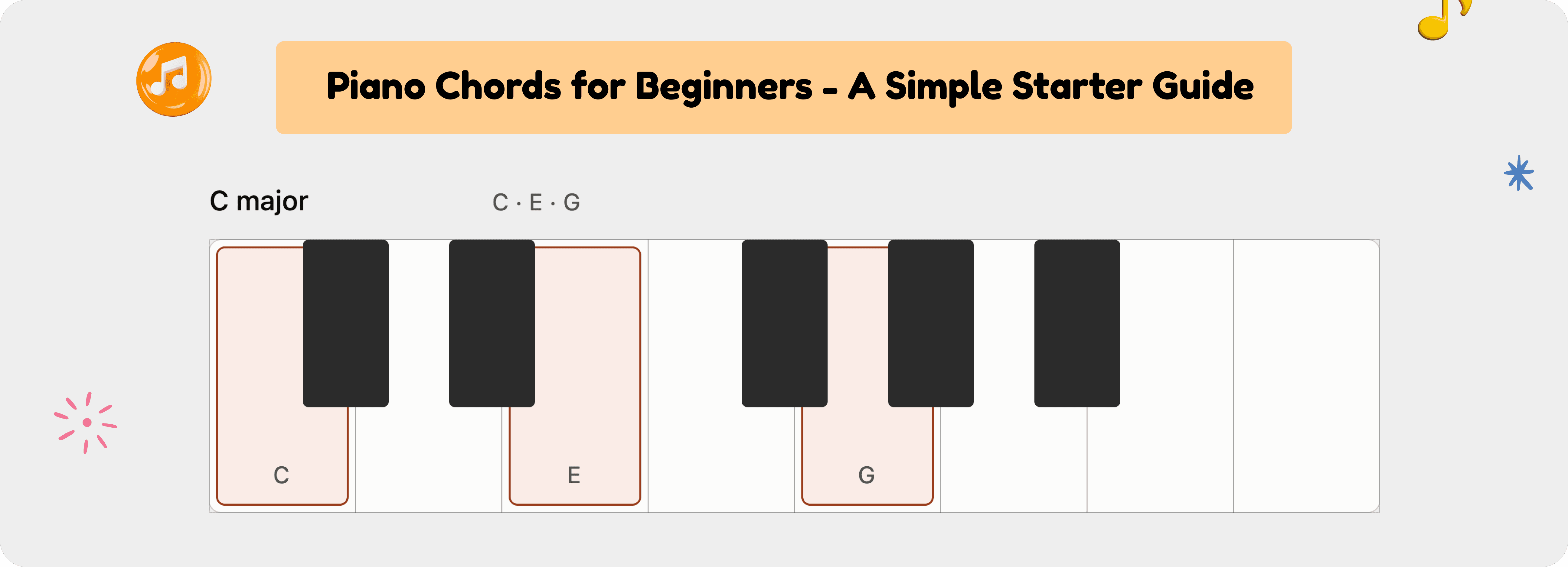
Now that you can play the notes separately, what comes next is to play them in combinations so you can get harmony. When you combine your notes, they become chords, which will help in making your music sound better and in creating your melodies. Chords exist in all kinds of piano music, from the simplest songs to the more complicated ones. Learning how to play piano chords does not mean that you have to know many chord shapes immediately. All you need is to learn just a few common ones.
What Is a Piano Chord?
Piano chords are based on pressing three or more keys at a time. There is no doubt that three-note chords were always the main point in the training of beginner pianists because of their simplicity and great role in learning popular songs. During your training on simple chords, it will be useful for you to pay attention to the fact that pressing different keys leads to different sounds.
Major and Minor Chords
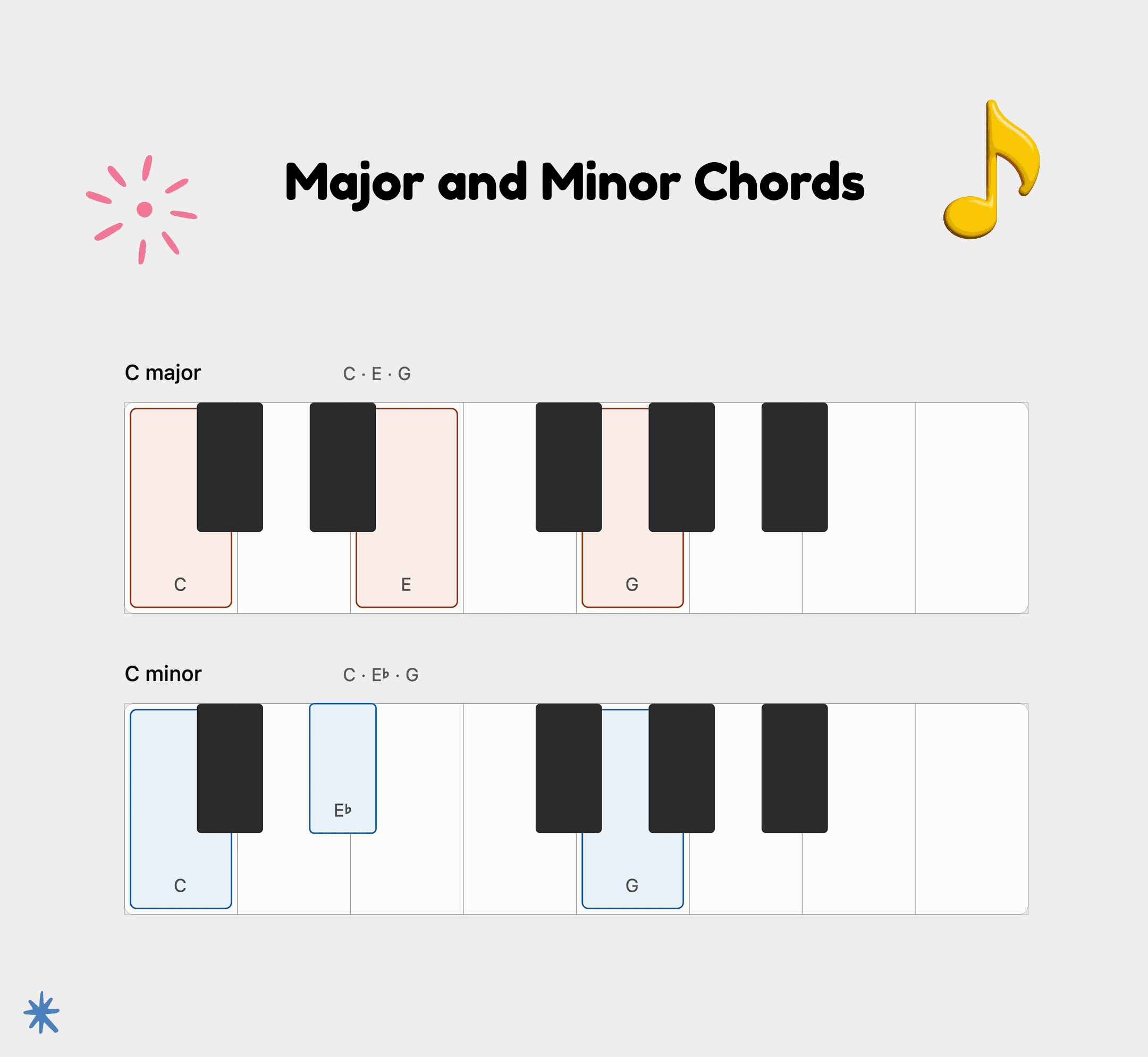
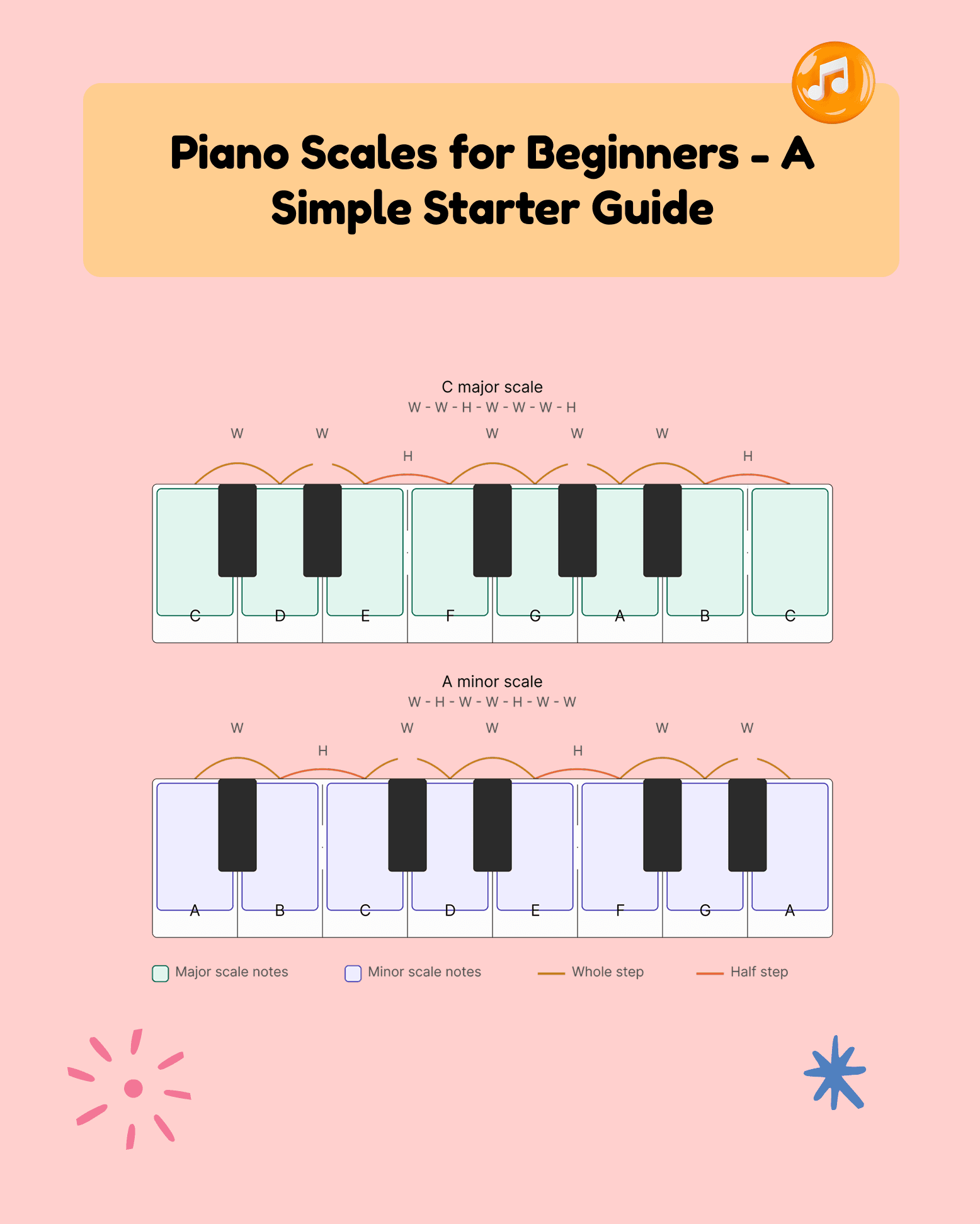
There are two main types of chords that are generally used by piano players, and they are the major and minor chords. The sound produced through the use of major chords is normally clear and steady, while the sound produced through the use of minor chords is either soft or expressive. However, it is equally important to be able to tell the difference between the two chords and how to correctly position your fingers.
Start with a Few Common Chords
It is not essential to learn all the chords in order to play music. The basic pieces of music have just a few chords. Hence, they become suitable for initiating your practice. Some of the basic chords that are often used by pianists while learning piano include C major, G major, and A minor. Through regular practice of these chords, you will find yourself capable of playing more music.
Practice Smooth Chord Changes
Playing a chord correctly alone does not mean anything. It is only when you transition from one chord to another without stopping and maintaining the same tempo that you can improve further. In learning how to play chords on the piano, do not hurry at first, but focus on getting it right before speeding up.
Use Chords in Real Music
In order to learn chords better, it is important to apply them to musical works. It is necessary for you to locate a piece of music that contains the same chords repeatedly but allows plenty of time to switch from one to another in accordance with the tempo of the song. This way, you will learn how harmony and melody interact instead of remembering finger patterns only. Once you are ready, you can use a beginner piano chords chart in order to discover new chord shapes. In the end, you will be able to use chords without always checking a beginner piano chords chart.
Frequently Asked Questions
How many piano chords should a beginner learn first?
A beginner may begin with five to eight chords and then gradually learn other chords. Knowing a few chords will enable you to play several simple tunes and at the same time develop your skills and increase your confidence.
Can I play songs with only a few piano chords?
Yes. Most beginner music pieces have a combination of just three or four basic chords that will be repeated in the whole song. You can learn how to play the chords without being overwhelmed by them.
Should I practice one chord at a time or switch between chords?
Start off by mastering each chord individually. After mastering the chord, start changing between two chords at a constant tempo. Moving smoothly between the chords is as important as playing the correct chord.
Do both hands play chords on the piano?
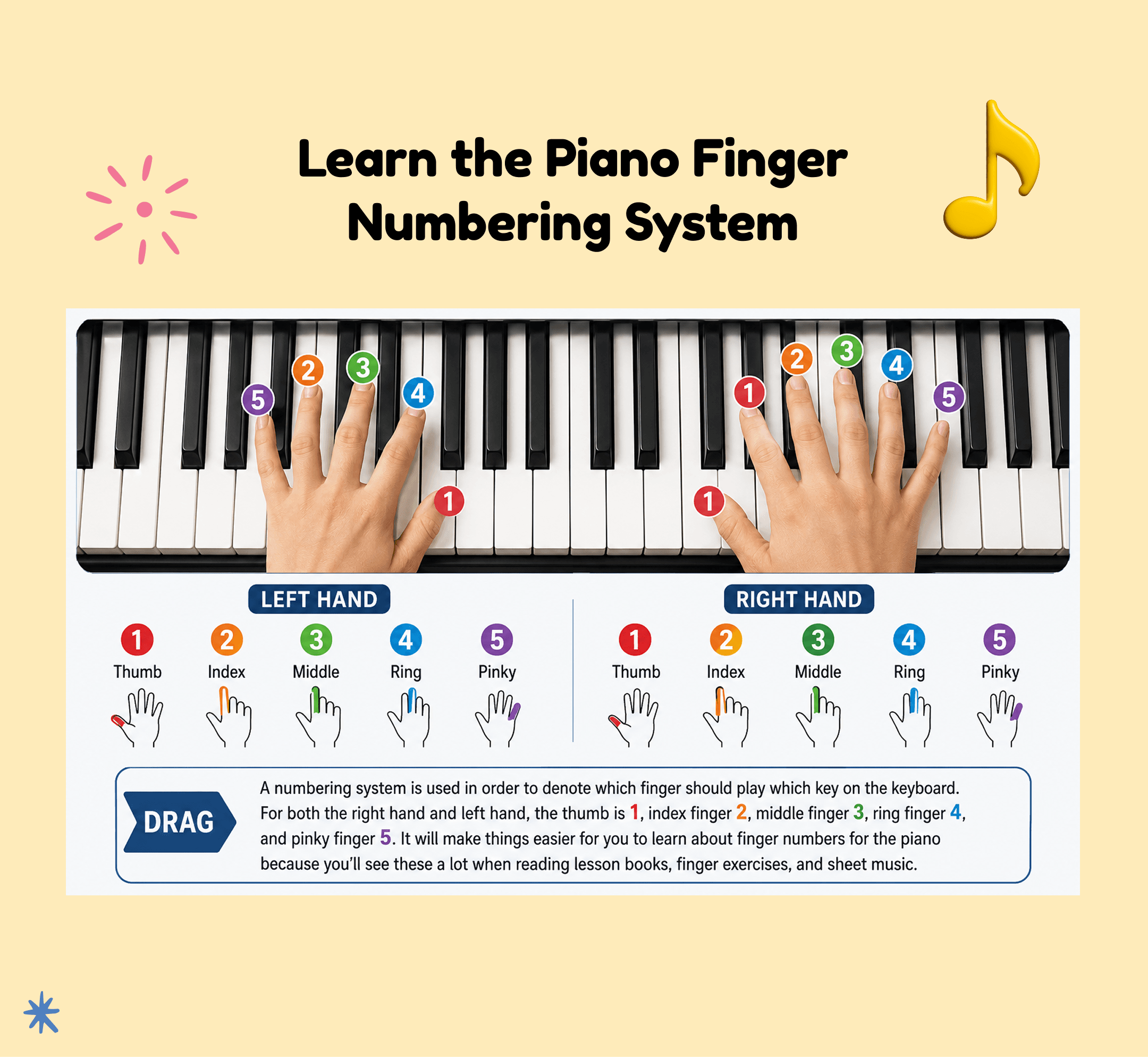
Yes, depending on the piece. One can have chords played by either the left or right hand. New pianists usually start playing the chords using their left hand while the right hand plays the melody.
How often should I practice piano chords?
The best strategy is daily practice. Dedication of about 10 to 15 minutes each day to practice chords will develop your muscle memory and coordination quickly. It works faster than if you choose to practice just one or two times a week.
What should I learn after basic piano chords?
Learning some chords, you need to move further on to major and minor scales on the piano. Learning scales will teach you how to create chords from note combinations and develop your keyboard skills.
Related Lessons
View All Lessons
Ready to Play?
Go ahead and start practicing with our online piano right in your browser. Have fun playing songs, lessons, and more.
Play Now